
What are RWA stablecoins in 2026?
Real-world asset (RWA) stablecoins are onchain tokens backed by traditional financial instruments like Treasury bills, commercial paper, or cash deposits. While they look like standard stablecoins, their value comes from offchain assets rather than just algorithmic mechanisms or pure cash reserves. This structure allows issuers to generate yield from the underlying assets, which they often pass on to holders.
Stablecoins are fundamentally a type of RWA. They serve as the primary example of how tokenizing assets works at scale, acting as the gravity that pulls the world's financial assets onchain. In 2026, the market has matured beyond simple dollar pegs to include tokens backed by short-term government debt, offering a bridge between traditional finance and decentralized protocols.
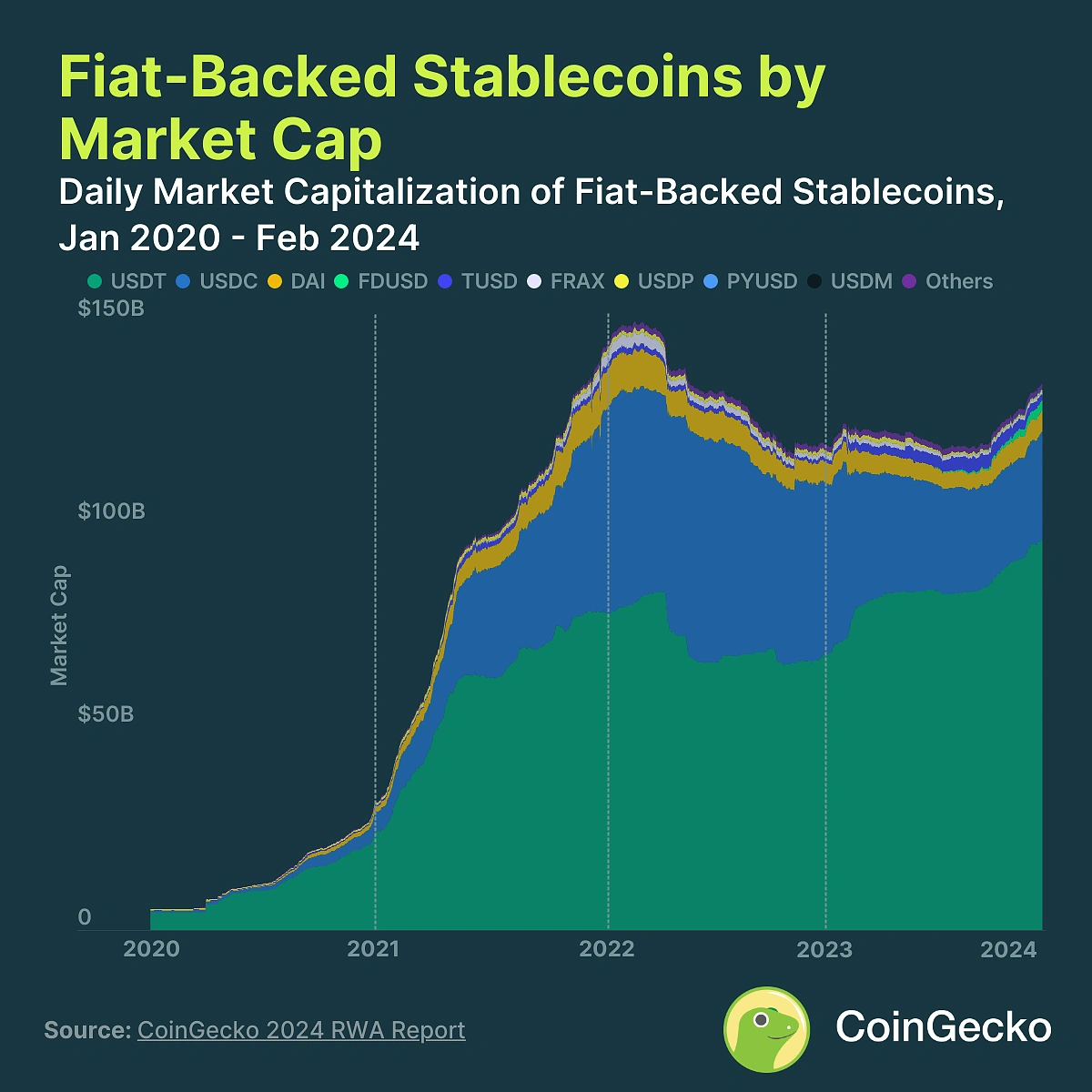
The market is dominated by Tether (USDT), which issues the largest stablecoin by global volume. Its reserves include cash, cash equivalents, and other short-term assets. As the total stablecoin market reached approximately $313 billion in mid-2026, up 23% year-over-year, the distinction between pure cash-backed and asset-backed stablecoins has become critical for yield-seeking investors.
Rwa stablecoins 2026 choices that change the plan
Tokenizing real-world assets into stablecoins offers yield that fiat bank accounts cannot match, but it introduces a distinct set of risks. In 2026, the market has matured from speculative experiments to regulated infrastructure, yet the tradeoffs between yield, liquidity, and safety remain sharp. Investors must evaluate the underlying collateral, the regulatory environment, and the technical rails before committing capital.
The primary advantage of RWA stablecoins is the direct link to traditional finance yields. Unlike algorithmic stablecoins that rely on complex tokenomics to maintain pegs, RWA-backed tokens are backed by tangible assets like U.S. Treasury bills, commercial real estate, or private credit. This provides a transparent source of return. However, this benefit comes with a liquidity tradeoff. While major stablecoins like USDT or USDC offer instant global settlement, tokenized RWA often involves slower redemption windows and secondary market depth that can vary significantly by asset class.
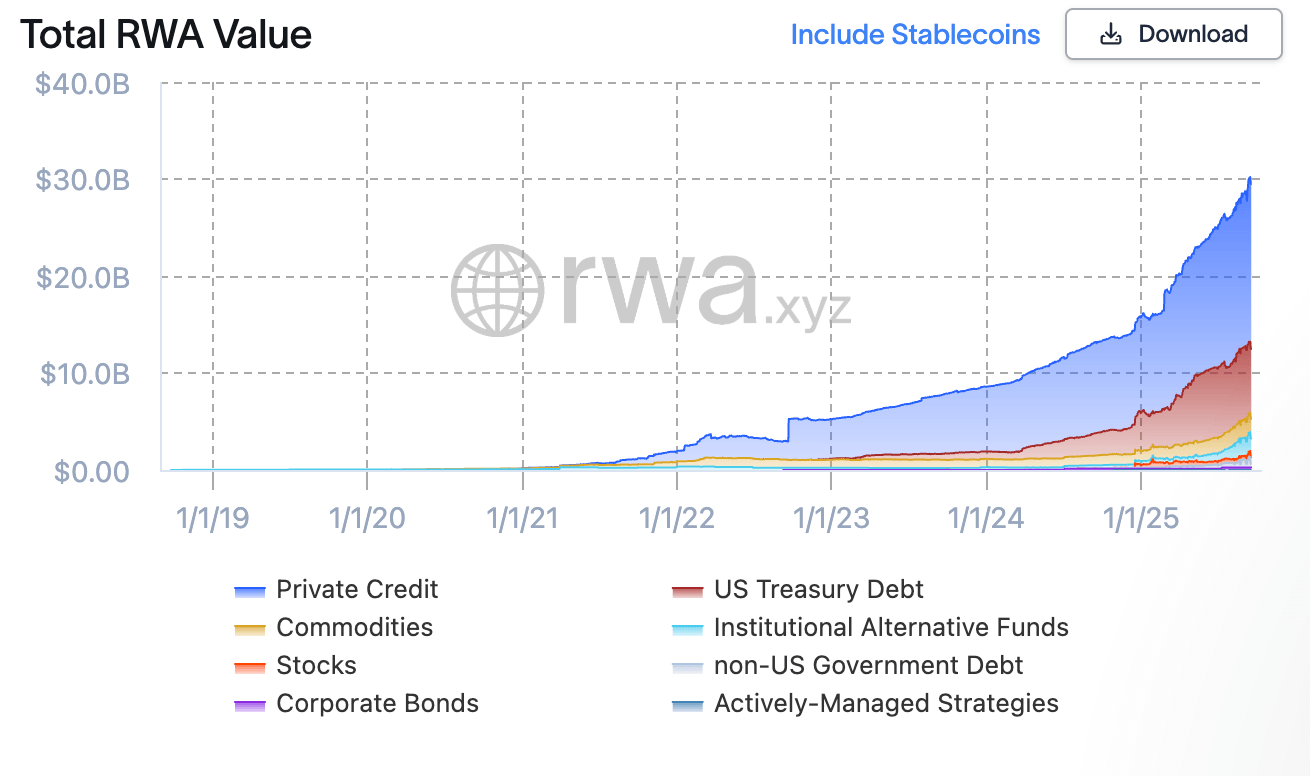
Regulatory clarity is the other major variable. As of mid-2026, the total stablecoin market sits at approximately $313 billion, with RWA tokenization growing rapidly to over $22 billion in assets under management. This growth is driven by institutions seeking on-chain efficiency. Yet, the legal structure of the issuing entity matters. A token backed by a fully audited, regulated entity in a jurisdiction with clear securities laws offers more protection than one issued by an anonymous DAO. The risk of regulatory crackdowns or reserve audits remains a tangible concern for smaller issuers.
To help visualize these comparisons, here is a breakdown of the key tradeoffs between traditional fiat stablecoins and emerging RWA-backed tokens.
| Feature | Fiat-Backed (USDC/USDT) | RWA-Backed (Treasury/Credit) |
|---|---|---|
| Yield Source | Near-zero (cash management) | Direct asset yield (4-6% APY) |
| Liquidity | High (24/7 global markets) | Variable (secondary market limits) |
| Regulatory Risk | Moderate (compliance scrutiny) | High (securities law classification) |
| Transparency | Monthly attestations | On-chain proof of reserves |
| Redemption Speed | Instant | T+1 to T+5 days typically |
Understanding these distinctions is critical for 2026 strategies. While fiat stablecoins remain the bedrock of crypto liquidity, RWA tokens are becoming the preferred vehicle for yield-seeking capital. The choice depends on whether you prioritize immediate access to funds or higher, asset-backed returns.
How to evaluate RWA stablecoin opportunities
The stablecoin market has grown to roughly $313 billion in mid-2026, with $28–62 trillion in annual volume. However, most of this activity remains trading and wallet-to-wallet transfers rather than real-economy payments. To capture the yield potential from the RWA stablecoin segment, you must move beyond simple deposit rates and assess the underlying asset quality.

Not all stablecoins are equal. Tether (USDT) remains the largest by volume, but its reserves include cash equivalents and other short-term assets. When evaluating RWA stablecoins, check if the yield comes from high-quality commercial paper, treasury bills, or riskier private credit. The best opportunities anchor yield to transparent, liquid assets rather than opaque lending protocols.
The future of asset ownership relies on bringing traditional stability together with blockchain fluidity. Ensure the stablecoin operates on a network with low fees and high throughput for your intended use case. StableSwap Hub and similar platforms often prioritize chains where RWA tokenization is actively integrated, allowing you to move funds without excessive slippage or downtime.

2026 trends point toward clearer onramps and bank-backed payment scenarios. Favor issuers that have established relationships with traditional financial institutions or operate within recognized regulatory frameworks. This reduces the risk of sudden delistings or frozen assets, which are common pitfalls in less regulated stablecoin environments.
Gross APY can be misleading. Subtract network gas fees, platform withdrawal charges, and any slippage costs when moving between chains. A stablecoin offering 8% APY with high transaction costs may underperform a 4% APY option on a low-fee layer. Focus on the net return you actually keep after all operational expenses.
No single issuer is immune to risk. Spread your capital across at least two or three reputable stablecoins with different reserve structures. This approach protects you if one issuer faces a regulatory crackdown or a reserve audit failure. Diversification is the only reliable hedge against the concentrated risks inherent in the RWA sector.
Avoid the weak options
Use this section to make the The Rise of Real-World Asset (RWA) Stablecoins decision easier to compare in real life, not just on paper. Start with the reader's actual constraint, then separate must-have requirements from details that are merely nice to have. A practical choice should survive normal use, maintenance, timing, and budget. If a recommendation only works in an ideal situation, call that out plainly and give the reader a fallback path.
The simplest way to use this section is to write down the must-have criteria first, then compare each option against those criteria before weighing nice-to-have features.
Rwa stablecoins 2026: what to check next
Stablecoins and real-world asset (RWA) tokenization have become the backbone of on-chain finance in 2026. With the stablecoin market cap hitting $320 billion and RWA tokenization reaching record levels, understanding the mechanics is essential for maximizing yield on platforms like StableSwap Hub.
No comments yet. Be the first to share your thoughts!