
What stableswap 2026 means for traders
The landscape of automated market makers is shifting from static formulas to dynamic, AI-driven models. In 2026, the definition of a stableswap pool no longer relies solely on the legacy StableSwap invariant introduced by Curve Finance. Instead, protocols are integrating machine learning to adjust fee structures and liquidity depth in real time, directly targeting the slippage that plagued earlier iterations.
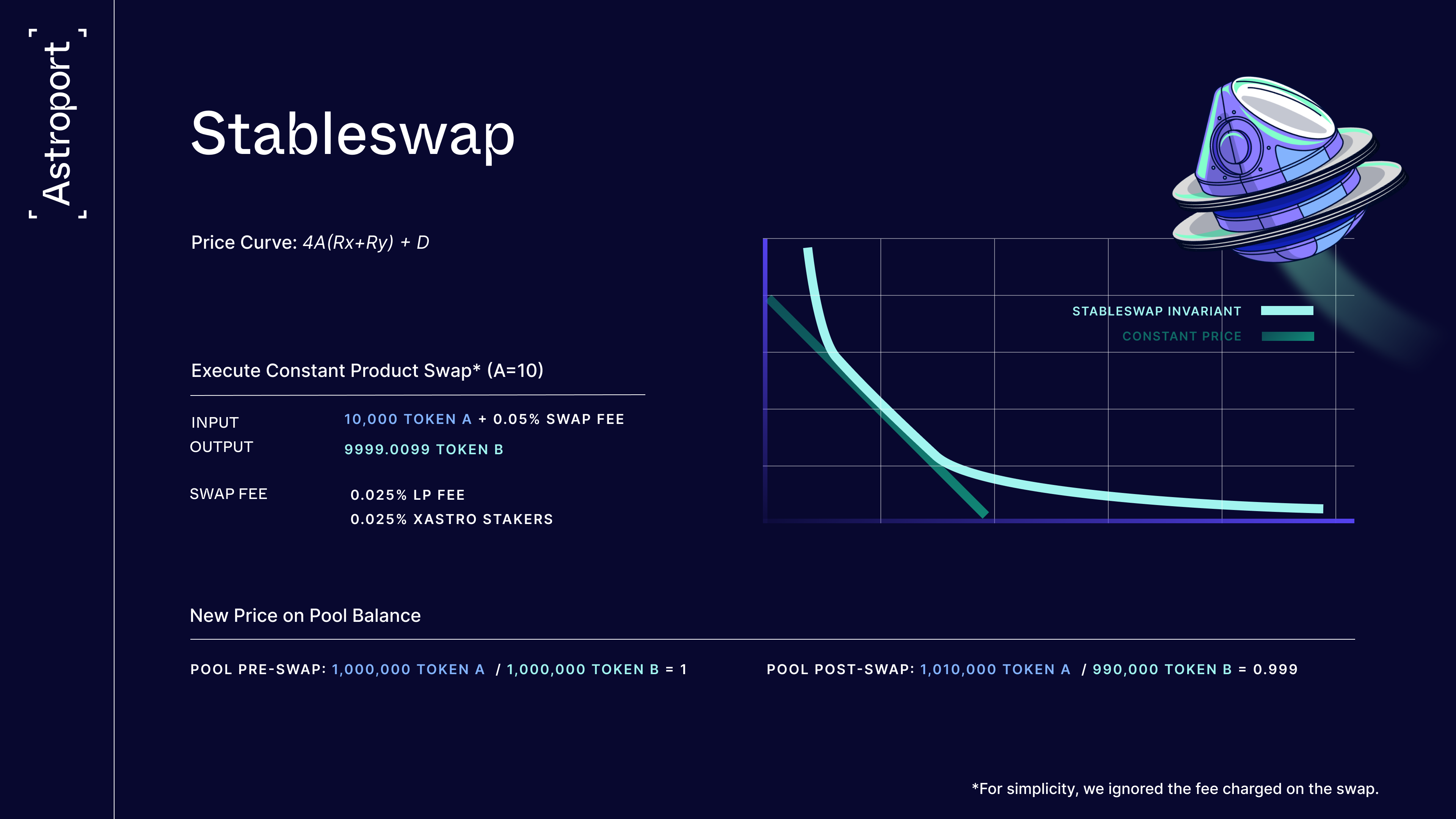
Legacy systems, such as the original Curve StableSwap, used a fixed mathematical curve to balance trades between pegged assets. While effective for basic swaps, these models struggled during periods of high volatility or when stablecoins depegged. The newer AI-optimized models analyze market microstructure to predict price impact, allowing traders to execute larger orders with significantly reduced slippage.
This evolution matters for compliance and risk management. As trading becomes more efficient, regulatory bodies in jurisdictions like the European Union (under MiCA) and the United States are scrutinizing how these algorithms manage liquidity. Understanding the difference between static invariants and adaptive AI models is essential for navigating the 2026 regulatory environment.
How ai trading algorithms reduce slippage
AI-driven trading algorithms optimize liquidity pools by dynamically adjusting fees and managing order flow in real time. This approach minimizes the price impact of trades, particularly for stablecoin pairs where maintaining peg stability is critical. By predicting market movements and adjusting parameters proactively, these systems reduce the slippage that typically erodes trader returns.
1. Dynamic Fee Adjustment
AI models analyze trading volume and volatility to adjust fees dynamically. During high-volume periods, fees may increase slightly to prevent arbitrage exploitation, while low-volume periods see reduced fees to encourage liquidity. This balance ensures that the pool remains resilient against sudden market shocks without penalizing regular traders.
2. Liquidity Provision Efficiency
Algorithmic systems optimize liquidity distribution across different price ranges. Instead of static liquidity provision, AI continuously rebalances assets to ensure deep liquidity where it is most needed. This reduces the depth of price impact for large trades, effectively lowering slippage for users executing significant positions.
3. Predictive Order Routing
AI algorithms predict order flow patterns and route trades through the most efficient paths within the pool. By anticipating large orders, the system can pre-adjust prices or split trades to minimize market impact. This predictive capability ensures that trades are executed at prices closer to the expected midpoint, reducing unexpected slippage.
AI systems continuously monitor pool volatility and trading volume. This data feeds into the fee adjustment model, ensuring that fees remain competitive and protective against arbitrage.
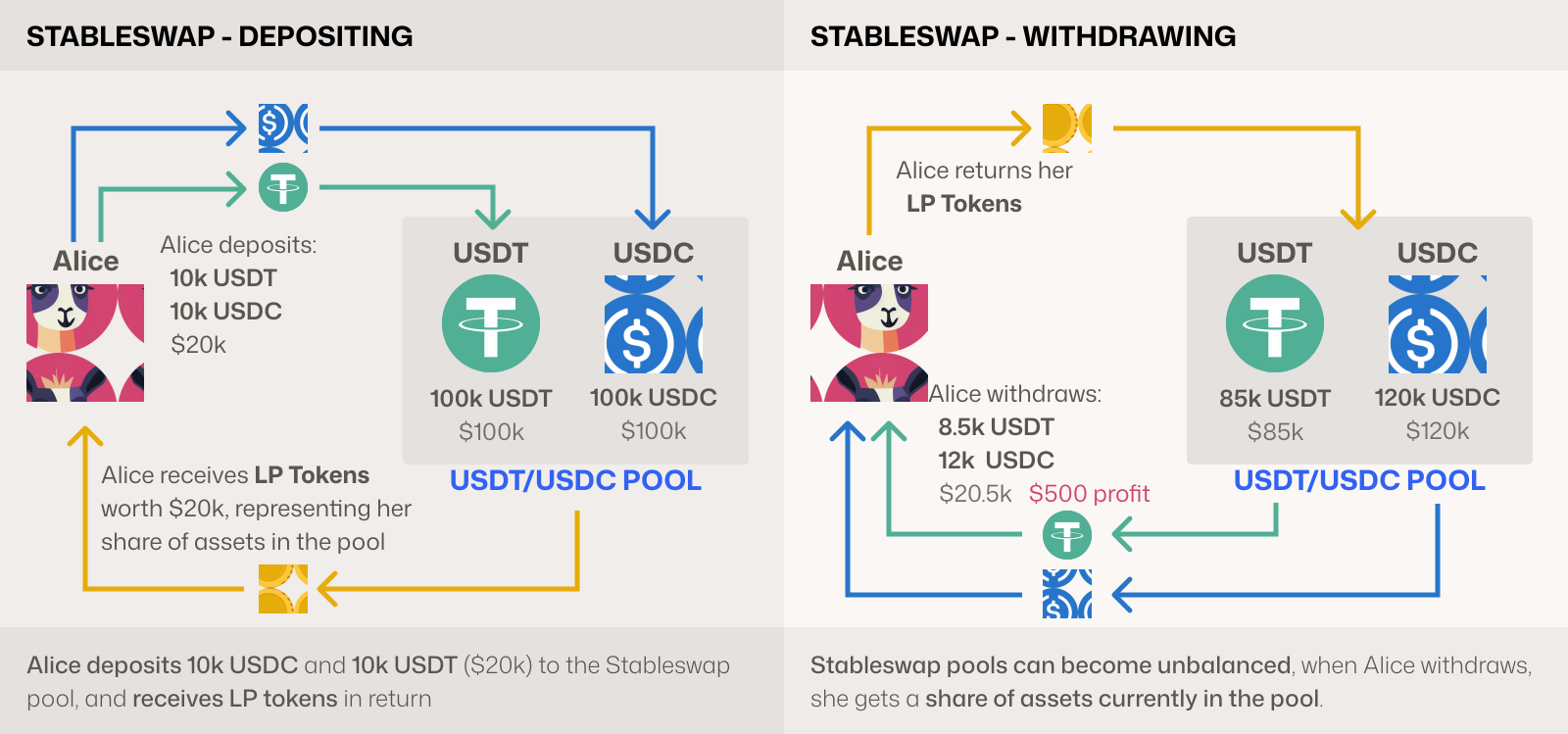
Based on predicted order flow, the algorithm rebalances liquidity across price ranges. This ensures that deep liquidity is available where trades are most likely to occur, reducing slippage.

Trades are routed through the most efficient paths within the pool. The AI splits large orders to minimize market impact, executing them at prices closer to the expected midpoint.
Regulatory shifts in stablecoin markets
The regulatory landscape for stablecoin liquidity pools is undergoing a structural transformation in 2026. Rather than broad bans, the current environment is defined by granular integration into legacy payment rails and stricter oversight of cross-border shocks. For operators of low-slippage pools, compliance now means aligning with both federal banking standards and private-sector clearinghouse protocols.
A significant development occurred in late 2025 when the Federal Reserve Bank of New York published an update on stablecoin resilience. Their research, titled "Stablecoins and (Non)Crypto Shocks," highlighted that stablecoin markets are increasingly vulnerable to external economic shocks rather than internal crypto volatility. This finding has prompted regulators to focus on the stability of the underlying reserve assets and their liquidity during non-crypto market stress events [[src-serp-2]]. The report suggests that traditional banking stress tests may soon be adapted for stablecoin issuers to ensure they can meet redemption demands without destabilizing broader credit markets.
Simultaneously, the National Automated Clearing House Association (NACHA) has signaled a move toward formalizing stablecoin operations within the U.S. payment infrastructure. At the Smarter Faster Payments 2026 conference in San Diego (April 26-29), NACHA introduced a dedicated stablecoin track, indicating a strategic push to integrate digital assets into the existing ACH network framework [[src-serp-8]]. This move implies that future stablecoin pools may need to support direct ACH-like settlement speeds and compliance checks, bridging the gap between decentralized finance and traditional banking rails.
These shifts create a dual-pressure environment for pool operators. On one side, federal oversight requires rigorous reserve auditing and shock absorption capabilities. On the other, integration with bodies like NACHA demands technical compatibility with legacy payment standards. Operators who fail to adapt their pool structures to these regulatory expectations risk exclusion from mainstream liquidity sources.
Compliance checks for liquidity providers
Liquidity providers in StableSwap 2026 pools must navigate a regulatory environment that increasingly distinguishes between crypto-native and traditional financial shocks. As noted in a July 2026 update from the Federal Reserve Bank of New York, non-crypto macroeconomic events now significantly impact stablecoin stability, requiring LPs to monitor broader financial health beyond on-chain metrics 1.
Additionally, the integration of stablecoins into traditional payment rails is accelerating. The upcoming Smarter Faster Payments 2026 conference in San Diego (April 26-29) highlights this shift, featuring a dedicated stablecoin track that underscores the growing intersection of crypto liquidity and regulated payments 2. LPs should prepare for increased scrutiny as these channels converge.
Pre-trade compliance checklist
Before depositing assets, LPs should verify the following:
- Jurisdictional Verification: Confirm that your residency and the pool’s jurisdiction allow for stablecoin liquidity provision without violating local securities or money transmission laws.
- KYC/AML Status: Ensure your identity verification is current and matches the requirements of the pool’s governing protocol, especially if the pool integrates with traditional payment networks.
- Source of Funds: Maintain documentation proving the legitimacy of deposited assets, as regulators increasingly trace stablecoin flows back to fiat on-ramps.
- Risk Disclosure Review: Read the latest protocol risk disclosures, particularly those addressing "non-crypto shocks" that could affect stablecoin pegs and liquidity depth.
Common stableswap pitfalls to avoid
Even with advanced algorithms like Curve’s StableSwapNG, liquidity providers face distinct risks in AI-optimized pools. The primary concern is impermanent loss, which can erode principal value when paired assets diverge from their peg. This occurs because the StableSwap invariant prioritizes low slippage over capital preservation during significant price deviations.
Regulatory compliance presents a more immediate operational hurdle. The European Union’s Markets in Crypto-Assets (MiCA) regulation, effective from December 2024, imposes strict transparency requirements on stablecoin issuers and exchanges. Similarly, the U.S. Treasury’s FinCEN guidance requires robust anti-money laundering (AML) checks. Non-compliance can lead to frozen assets or legal action, depending on the jurisdiction.
To mitigate these risks, diversify your liquidity across multiple stablecoin pairs with strong historical peg stability. Regularly audit your positions for deviation from the peg and rebalance as needed. Additionally, stay informed on regulatory updates from official sources to ensure your operations remain compliant.
No comments yet. Be the first to share your thoughts!