
Stableswap liquidity limits to account for
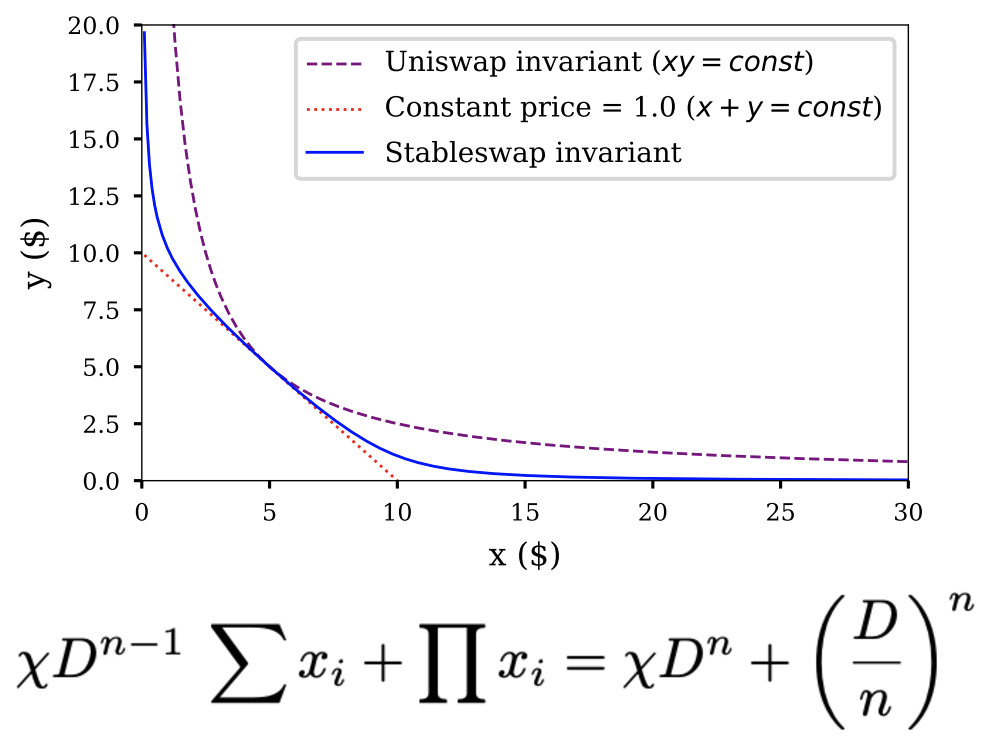
StableSwap protocols like Curve solve a specific problem: they allow stablecoins to trade with minimal slippage by concentrating liquidity around a fixed 1:1 peg. This design is essentially "Uniswap with leverage" for stable assets, enabling efficient cross-market swaps without the price impact seen in standard AMMs.
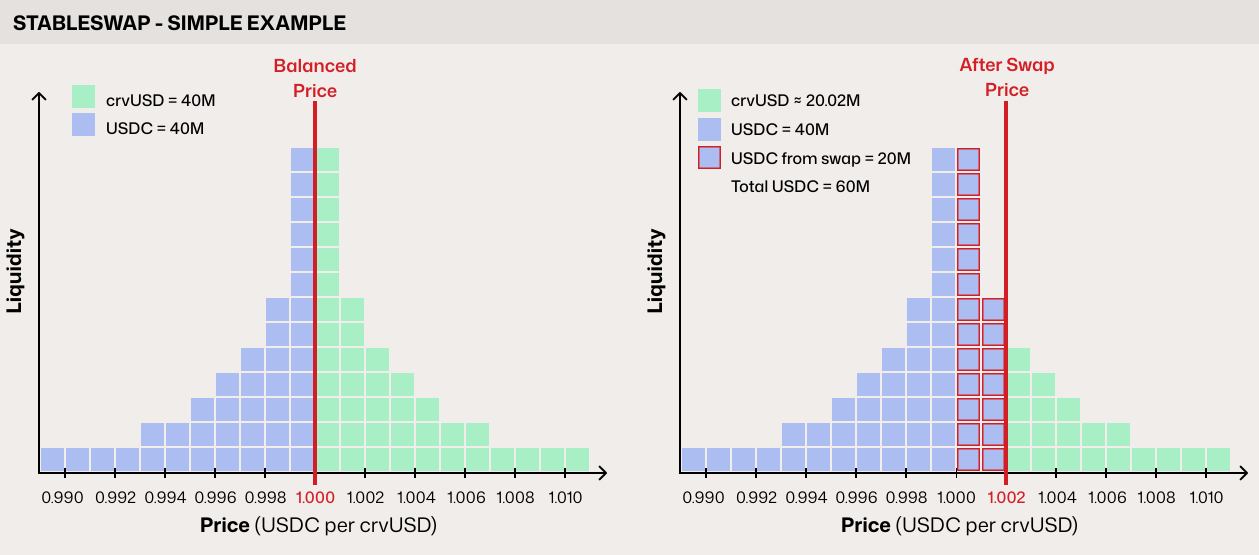
However, this efficiency comes with a structural constraint. The pools are designed to remain balanced at the peg, but they can tolerate significant imbalance—such as a pool holding 90% USDC and only 10% USDT—while still functioning efficiently. This tolerance relies on the invariant curve adjusting the swap fees dynamically rather than the price itself.
The real constraint emerges when liquidity providers (LPs) withdraw their funds. Unlike traditional markets where depth is continuous, StableSwap liquidity is discrete and concentrated. When large amounts are pulled, the pool’s ability to absorb sell pressure without de-pegging drops sharply. This creates a "liquidity cliff" where small imbalances suddenly become costly to correct.
This dynamic explains why stablecoins like Tether (USDT) dominate these pools. Their deep, broad support across exchanges creates a natural anchor for liquidity. When USDT is the majority asset in a pool, the system remains stable even during moderate volatility. But if liquidity drains from the majority side, the remaining assets face disproportionate pressure, potentially triggering a cascade of withdrawals.
Stableswap liquidity choices that change the plan
Choosing a stableswap pool is less about picking the highest number and more about balancing three competing forces: trading depth, capital efficiency, and fee revenue. A pool that looks impressive on paper might suffer from hidden slippage or impermanent loss that eats into your yield. Understanding these mechanics helps you avoid the "yield trap" where high APYs mask underlying risks.
When you provide liquidity to a stableswap protocol, you are essentially offering a service that allows traders to swap pegged assets with minimal price impact. The tradeoff lies in how much of your capital is "active" versus "idle." Some pools keep liquidity concentrated around the peg, which is great for traders but leaves your assets vulnerable if the peg breaks. Others use broader curves, offering better protection against de-pegging events but charging higher fees for traders, which can reduce trading volume.
The following table breaks down the most common stableswap pool types and their specific tradeoffs. Use this to evaluate where your capital will perform best based on your risk tolerance.
| Pool Type | Trading Depth | Capital Efficiency | Primary Risk |
|---|---|---|---|
| StableSwap (Curve v1) | High for small swaps | Low | Peg break |
| StableSwap NG | Medium | Medium | Complexity |
| CryptoSwap | Low for stablecoins | High | Volatility |
| Concentrated Liquidity | Very High near peg | Very High | Impermanent loss |
RichList data suggests that newer pool designs like StableSwap NG attempt to bridge the gap between traditional stablecoin pools and volatile crypto pools. They offer a middle ground for liquidity providers who want better capital efficiency than Curve v1 but less risk than a volatile pair. However, these often come with higher complexity and potentially lower total value locked (TVL), which can mean wider spreads during low-volume periods. Always check the pool's current depth before committing significant capital.
When evaluating these tradeoffs, look beyond the APY. A pool with a 15% APY but shallow depth might slip 1% on a $10,000 swap, while a 5% APY pool with deep liquidity might only slip 0.01%. For large traders, depth is king. For liquidity providers, the goal is to earn fees without suffering losses that exceed the rewards. Start with pools that have a proven track record of maintaining their peg, as stability is the foundation of stableswap yield.
Key factors to check before providing liquidity
-
Trading Volume
Consistent daily volume ensures you earn fees. Avoid pools with sporadic spikes. -
Pool Depth
Check the amount of assets available for swaps. Deeper pools mean lower slippage for traders. -
Peg Stability
Review historical data for de-pegging events. Pools with broken pegs often have high risks. -
Fee Structure
Understand how fees are distributed. Some pools take a cut for the protocol, reducing your yield.
Choose the next step
StableSwap Liquidity works best as a clear sequence: define the constraint, compare the realistic options, test the tradeoff, and choose the path with the fewest hidden costs. That order keeps the advice usable instead of decorative. After each step, pause long enough to check whether the recommendation still fits the reader's actual situation. If it depends on perfect timing, unusual access, or a best-case budget, include a simpler fallback.

Avoid These Common StableSwap Mistakes
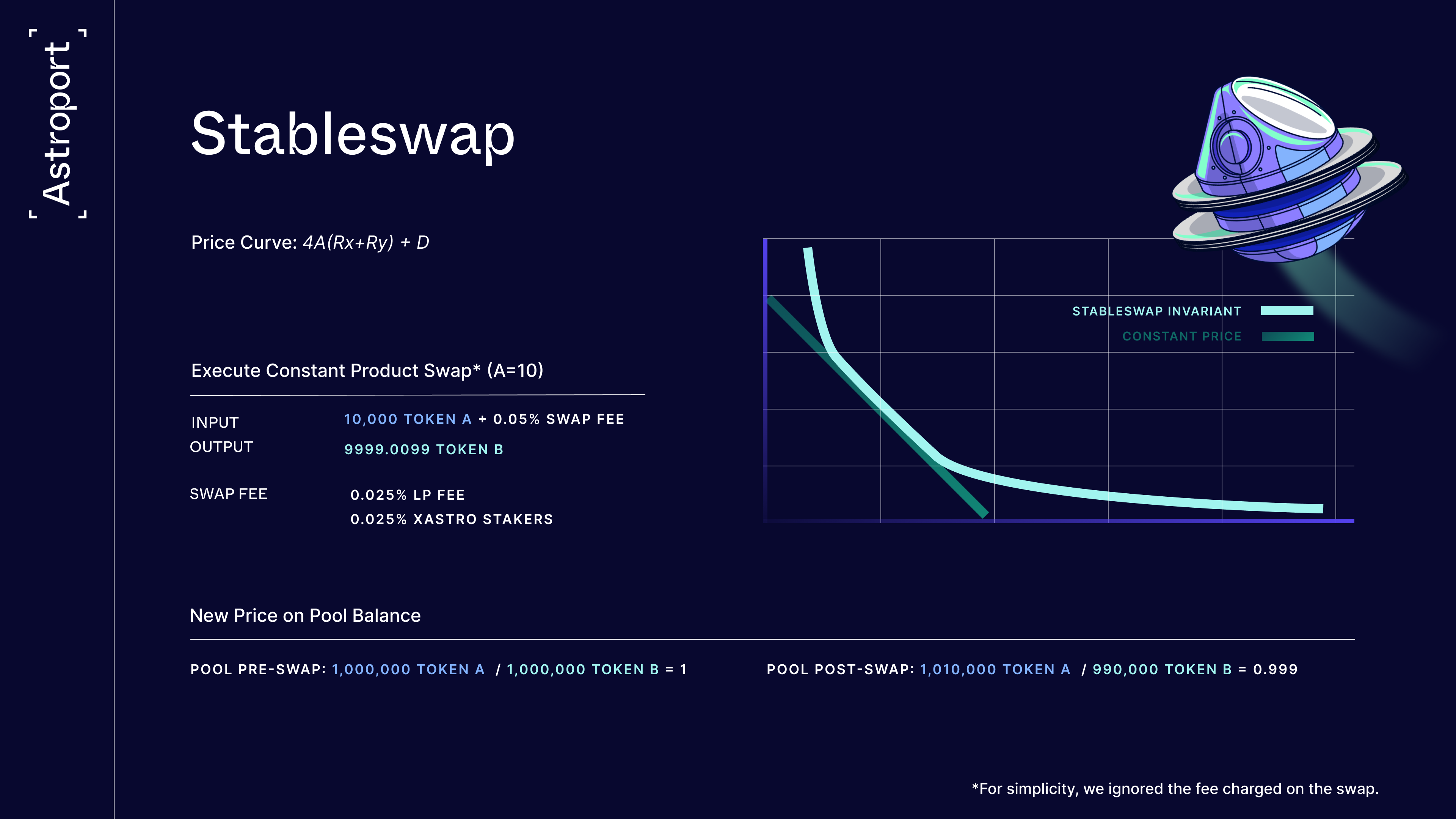
StableSwap pools offer deep liquidity, but the mechanics can trap unwary users. Curve’s StableSwap algorithm allows pools to remain balanced even when token ratios skew—such as 90% USDC and 10% USDT—because it concentrates liquidity around the 1:1 peg. This flexibility is powerful, but it creates specific traps if you ignore the underlying math.
Ignoring Impermanent Loss in Volatile Pairs
Many users treat all stablecoin pairs as risk-free. This is false. While USDC/USDT is low-risk, pairing a stablecoin with a volatile asset (like ETH) in a StableSwap-style pool can lead to significant impermanent loss. The "leverage" effect mentioned in Berkeley’s StableSwap paper amplifies gains during stability but accelerates losses during divergence. If the peg breaks or volatility spikes, your principal erodes faster than in a standard Uniswap V3 position.
Overlooking High Swap Fees on Niche Pools
Not all StableSwap pools are created equal. Major pools like Curve’s 3pool have near-zero fees due to high volume. However, newer or niche pools often charge higher swap fees to compensate for lower liquidity. If you’re trading small amounts, these fees can eat your entire yield. Always check the pool’s swap_fee parameter before depositing. A 0.04% fee on a high-volume pool is negligible; on a low-volume pool, it can be the difference between profit and loss.
Chasing APY Without Checking Unlock Schedules
High APYs on StableSwap pools are often bait. Many protocols offer boosted yields by locking liquidity for extended periods. If the protocol’s governance token crashes, your locked assets become illiquid at a loss. Always verify the vesting schedule and the token’s market stability. Don’t chase a 20% APY if your capital is locked for a year in a token with no trading volume.
No comments yet. Be the first to share your thoughts!