
Get sustainable stablecoins 2026 right
Before you allocate capital to StableSwap Hub or any other yield-generating stablecoin protocol, you must verify the underlying asset’s regulatory standing. The market has expanded from under $10 billion six years ago to over $300 billion today, but this growth is largely concentrated in US-dollar-denominated instruments that face intense scrutiny [ECB, 2026]. A sustainable framework is no longer optional; it is a prerequisite for long-term viability [CSBS].
Start by identifying the reserve composition. Legitimate stablecoins back their tokens with high-quality liquid assets, such as cash or short-term US Treasury bills, held in segregated accounts. If a protocol promises yields detached from these traditional risk-free rates, it is likely leveraging opaque derivatives or unregulated lending, which introduces unacceptable counterparty risk.
Next, audit the issuer’s compliance posture. Look for entities that have proactively engaged with regulators like the OCC or state banking departments, rather than those operating in legal gray areas. In 2026, the difference between a compliant, sustainable stablecoin and a speculative token is the transparency of its reserve attestations and its adherence to anti-money laundering (AML) standards. Verify that the issuer publishes regular, third-party audited reports. Without this proof of reserves, your yield is not sustainable—it is merely delayed insolvency.
Work through the steps
Setting up a compliant stablecoin position requires more than picking the highest yield. You must verify the regulatory structure, the reserve composition, and the redemption mechanics before committing capital. This sequence follows the standard workflow for onboarding to a regulated sustainable stablecoin platform like StableSwap Hub.
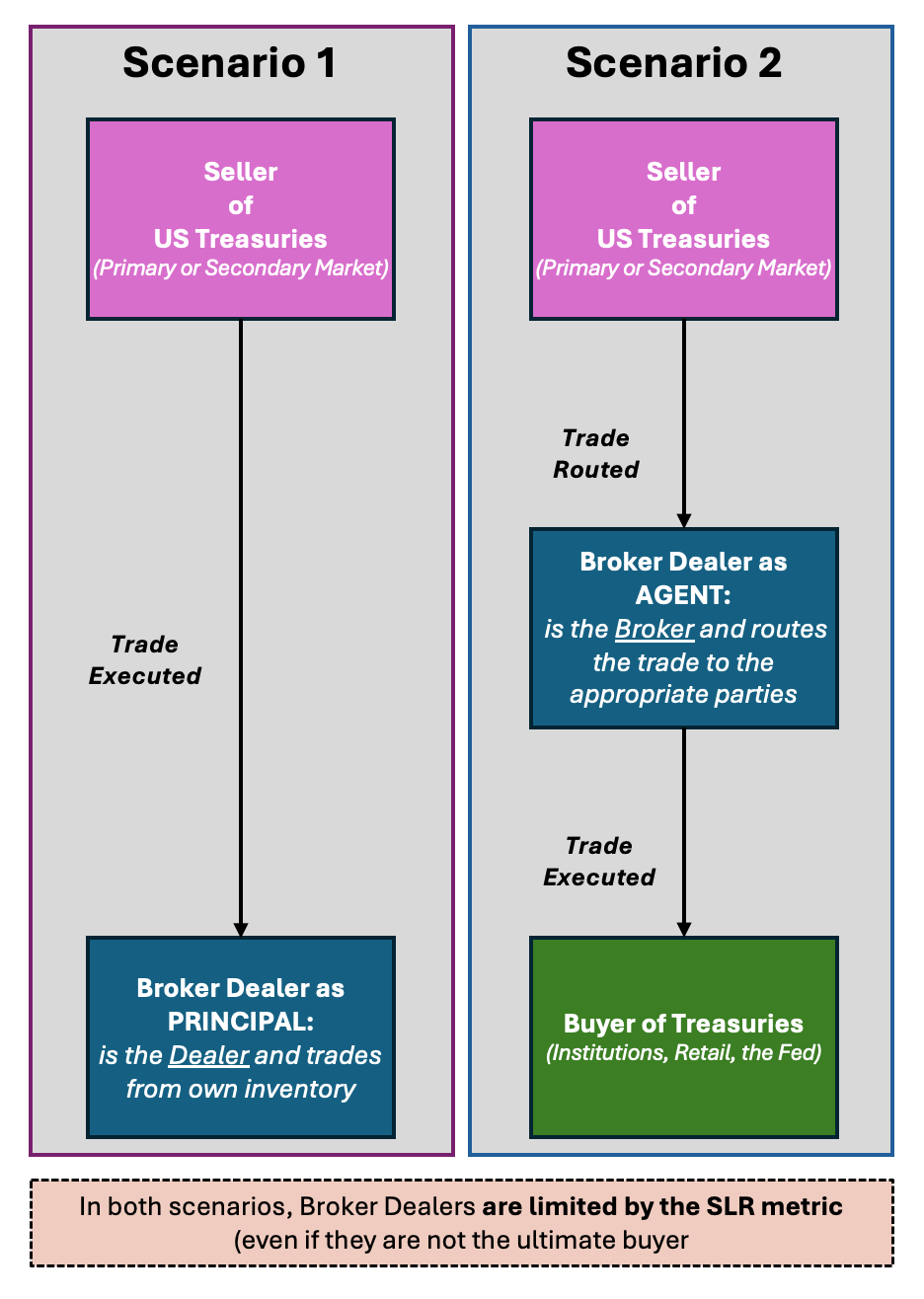
Before funding, confirm the stablecoin’s legal status. The European Union’s MiCA regulation and US state-level frameworks require issuers to hold qualifying assets. Check the issuer’s public registry or the platform’s legal page to ensure the token is classified as an Asset-Referenced Token (ART) or Electronic Money Token (EMT), depending on your jurisdiction. Avoid tokens that operate in regulatory gray areas.
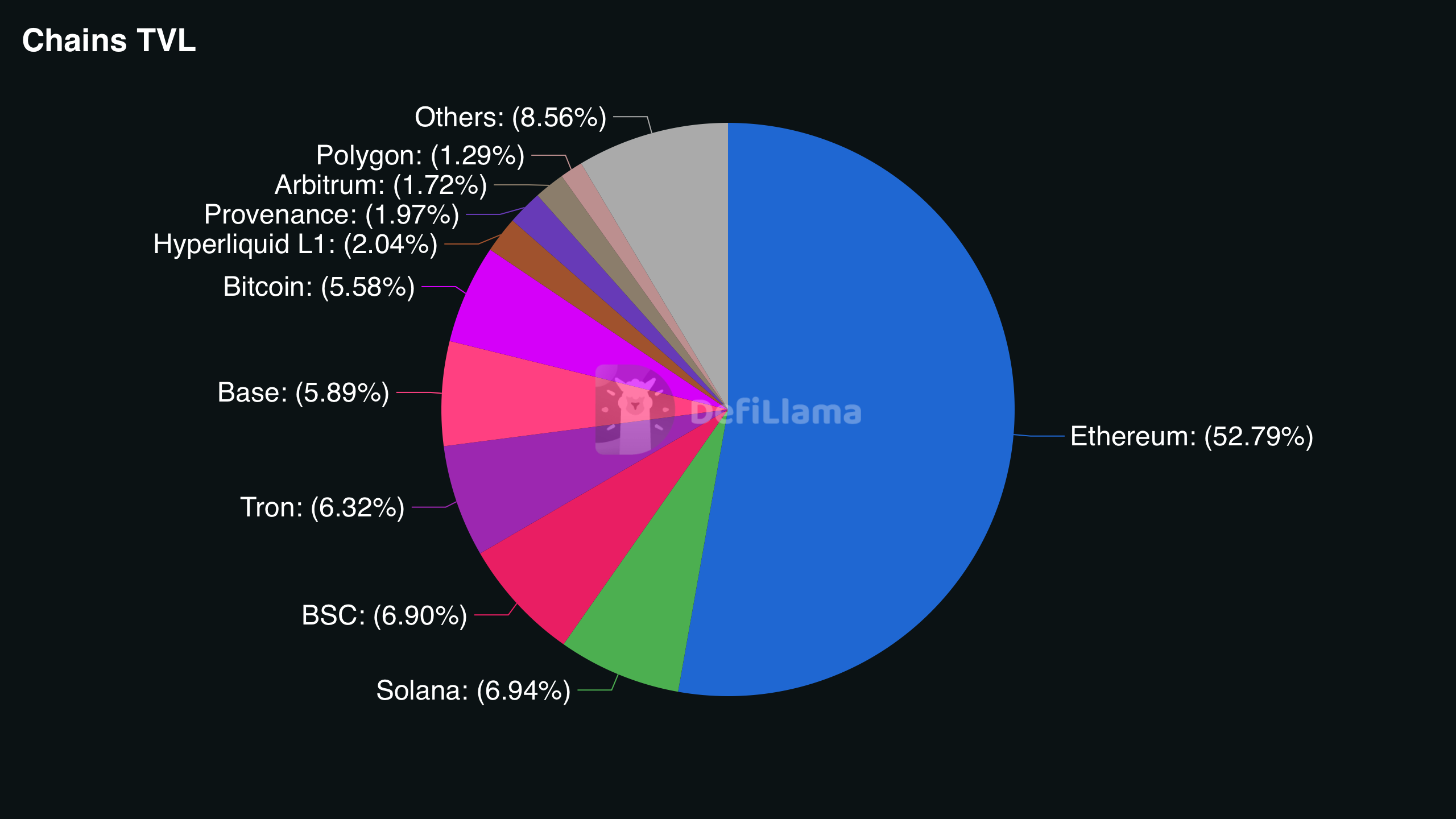
Sustainable stablecoins must back every token with high-quality liquid assets. Look for reserves consisting of cash, central bank bills, or short-term government debt. Avoid stablecoins that invest heavily in corporate bonds or unsecured commercial paper, as these introduce credit risk. The issuer should publish monthly attestation reports from a reputable auditing firm to prove the 1:1 backing ratio.
Use a non-custodial wallet that supports the specific blockchain network of the stablecoin. Ensure your wallet allows you to view the token contract address to prevent phishing scams. If you are using a centralized exchange, verify that the platform has completed the necessary KYC (Know Your Customer) and AML (Anti-Money Laundering) checks required by your local laws.
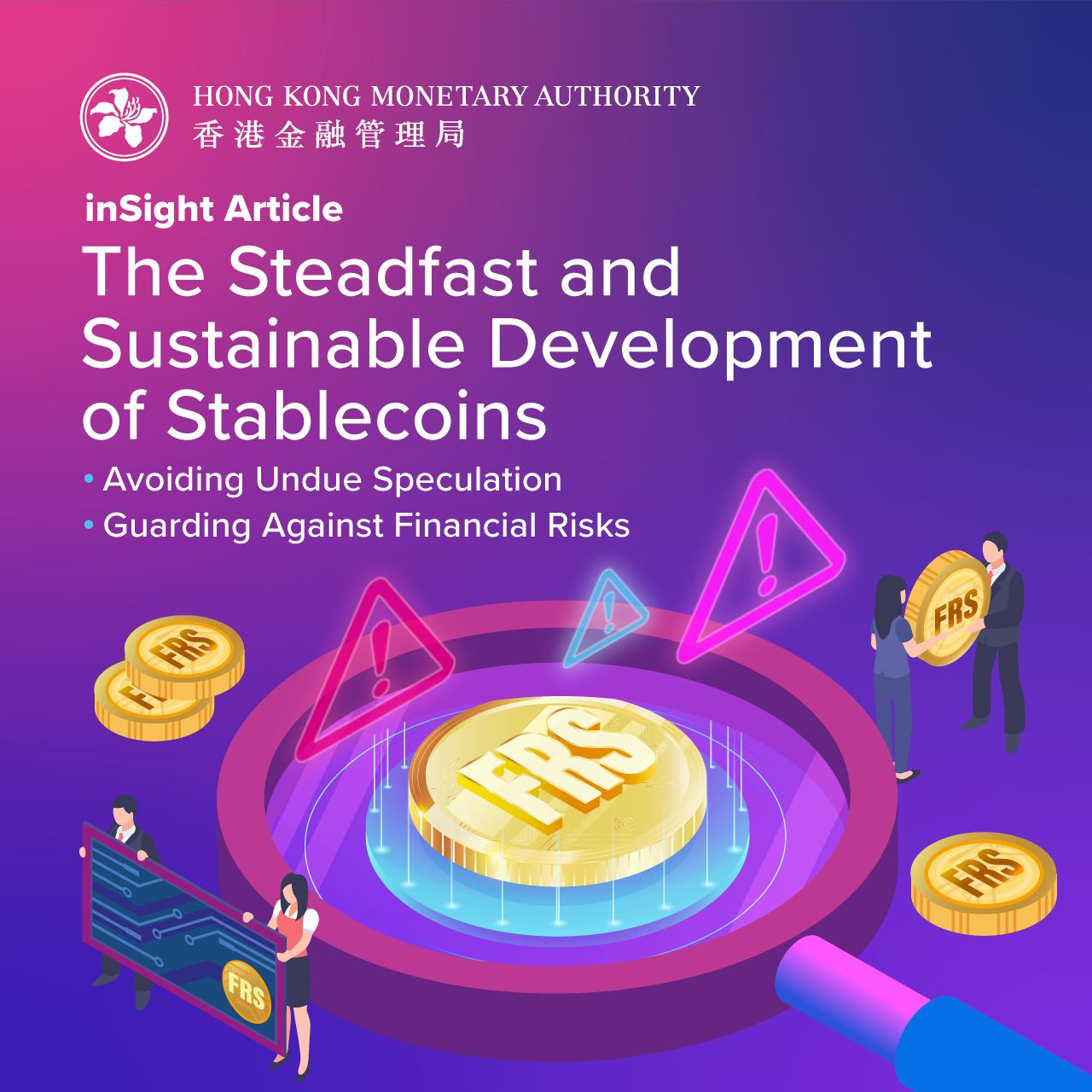
Transfer the stablecoin from your fiat on-ramp or another wallet into your verified platform account. To earn yield, stake the tokens in a regulated liquidity pool or lending protocol. Read the smart contract terms carefully to understand the lock-up period and any early withdrawal penalties. Sustainable yields typically come from the interest generated by the underlying reserve assets, not from inflationary token rewards.
Regularly check the platform’s dashboard for reserve attestations and regulatory updates. Ensure your wallet address remains whitelisted if your jurisdiction requires transaction monitoring. Test the redemption process with a small amount to confirm that you can convert your stablecoin back to fiat or other assets without excessive delays or fees.
Fix common mistakes
Even with a robust framework, sustainable stablecoins often fail because of operational oversights rather than technical flaws. The gap between a theoretical model and a regulated market reality is usually bridged by attention to detail. Avoid these common pitfalls to ensure your yield strategy remains compliant and solvent.
Misaligned Reserve Composition
Many projects assume that any high-yield asset qualifies as a reserve. This is a critical error. Regulators increasingly require reserves to be liquid, low-risk, and easily verifiable. If your stablecoin’s backing includes illiquid corporate bonds or unverified crypto assets, you risk a run on the coin during market stress. Always prioritize cash equivalents or short-term government treasuries that can be audited in real-time.
Ignoring Regulatory Fragmentation
A global stablecoin cannot operate under a single set of rules. The European Union’s MiCA framework, for example, imposes strict requirements on reserve management and consumer protection that differ significantly from US state-level laws. Treating compliance as an afterthought leads to costly legal battles or forced de-listings. Build your reserve management system to handle jurisdiction-specific reporting and segregation of assets from day one.
Overleveraging Yield Strategies
Sustainable yield does not mean maximum yield. Projects that chase high returns by lending stablecoins to risky DeFi protocols or engaging in complex leverage strategies expose themselves to smart contract risk and market volatility. If the underlying yield source fails, the stablecoin’s peg breaks. Stick to transparent, auditable yield sources that do not compromise the principal value of the reserves.
Sustainable stablecoins 2026: practical: what to check next
Before committing capital to a sustainable stablecoin, you need to verify the underlying mechanics and regulatory standing. The 2026 landscape requires more than just a peg; it demands structural resilience and clear legal oversight.
Always verify reserve attestations and regulatory filings before deploying funds in a regulated market.
No comments yet. Be the first to share your thoughts!