
What is StableSwap Hub
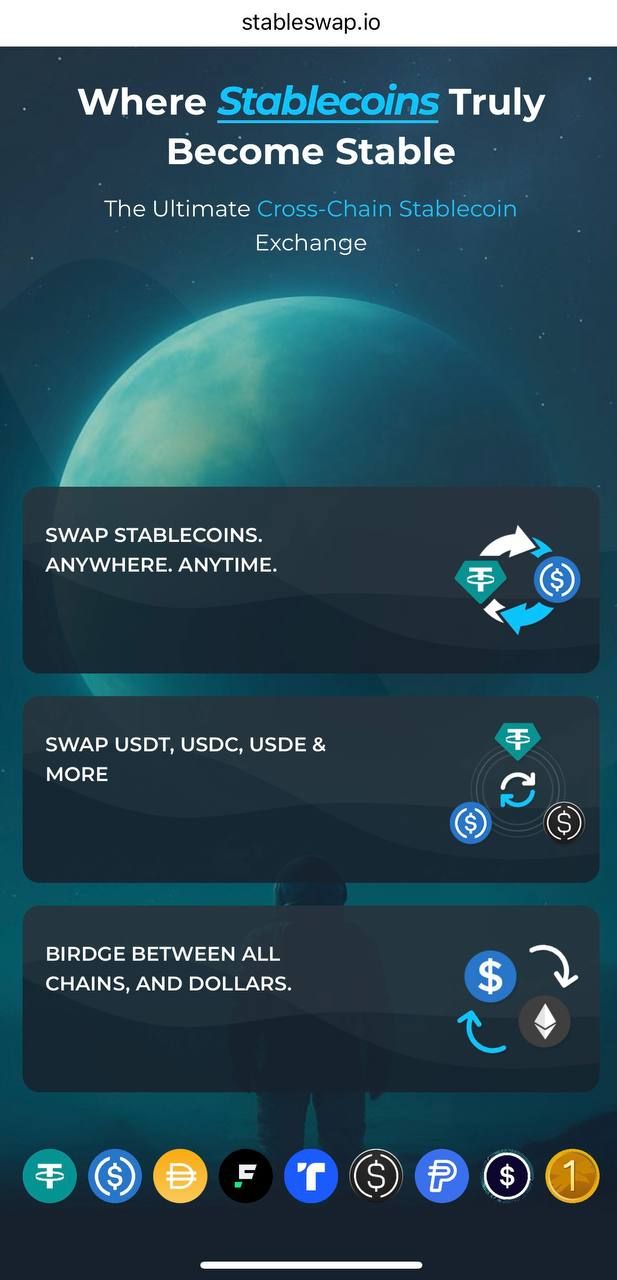
StableSwap Hub acts as a centralized routing layer for StableSwap pools, primarily built on the Curve Finance architecture. Instead of trading directly against a single liquidity pool, users interact with the Hub, which intelligently splits orders across multiple pools to find the lowest slippage. This approach is essential for maintaining efficiency when swapping assets that are pegged to the same value, such as USDC to USDT or different wrapped Bitcoin variants.
The underlying mechanics rely on a specialized invariant algorithm. Unlike standard automated market makers that use a constant product formula ($x * y = k$), StableSwap uses a hybrid model. It behaves like a constant product pool when prices drift far from their peg, but switches to a constant sum model ($x + y = k$) when assets are near parity. This mathematical adjustment allows for near-zero slippage on large trades, provided the assets remain correlated.
For traders, the Hub simplifies the complexity of multi-pool liquidity. It aggregates the deepest liquidity sources and executes the optimal path automatically. This means you get better rates without manually calculating which pool offers the best price for a specific trade size. The system is particularly robust for institutional traders or high-volume users who need to move significant capital without impacting the market price.
Stableswap hub choices that change the plan
StableSwap hubs promise near-zero slippage for pegged assets, but the architecture introduces specific friction points that matter when capital is on the line. Understanding the mechanics behind these pools helps you decide whether the efficiency gains outweigh the structural risks. The tradeoffs are rarely about "good vs. bad"; they are about matching the right pool design to your trading volume and risk tolerance.
The core tension lies in how the algorithm balances stability against traditional liquidity depth. Unlike standard Automated Market Makers (AMMs) that use a constant product formula, StableSwap hubs use a modified invariant. This design keeps fees low when assets are near parity but gradually shifts behavior as the ratio deviates. This shift is where the hidden costs emerge.
| Factor | Impact on Traders | Risk Profile |
|---|---|---|
| Impermanent Loss | Reduced for stable pairs, but present if pegs break | Moderate to High |
| Slippage Curve | Near-zero at parity, spikes sharply off-peg | Low (if within range) |
| Liquidity Depth | Often deeper than standard AMMs for major pairs | Low |
| Smart Contract Risk | Complex math increases attack surface | High |
Impermanent Loss Dynamics
Impermanent loss is the silent tax of liquidity provision. In a StableSwap hub, this loss is minimized when the assets maintain their peg. However, if one asset de-pegs significantly, the pool’s behavior shifts from stable to volatile, accelerating losses for providers. Traders benefit from this liquidity, but providers bear the risk. This dynamic means that stable pools are not risk-free havens; they are efficient engines that convert peg stability into low fees.
Slippage and Price Impact
The primary advantage of a StableSwap hub is the flat fee curve. For small to medium trades, the price impact is negligible. However, large orders can still move the market if the pool lacks sufficient depth. The algorithm’s design means that as the reserve ratio moves away from 1:1, the effective price changes more rapidly. Traders must monitor the current ratio of the pool to avoid entering during periods of high volatility or low liquidity.
Smart Contract Complexity
The mathematical complexity of StableSwap invariants introduces a higher risk of bugs compared to simpler AMMs. The Curve ecosystem has undergone extensive auditing, but the code is dense. Newer implementations, such as StableSwap-ng, aim to reduce this risk by simplifying the deployment process, but the core logic remains intricate. Users should prioritize pools with a long track record and multiple independent audits.

Liquidity Concentration
StableSwap hubs often concentrate liquidity in a few major pairs. This creates a "winner-takes-most" dynamic where the largest pools offer the best rates, while smaller pools suffer from higher slippage. Traders should always compare rates across multiple hubs before executing large trades. Fragmented liquidity can lead to arbitrage opportunities, but it also means that smaller pools are less resilient to market shocks.
How to choose the right AI-driven StableSwap pool
Selecting the correct StableSwap pool requires balancing liquidity depth against the specific mechanics of the assets involved. Not all low-slippage pools perform equally when market conditions shift. Use this framework to evaluate options before committing capital.
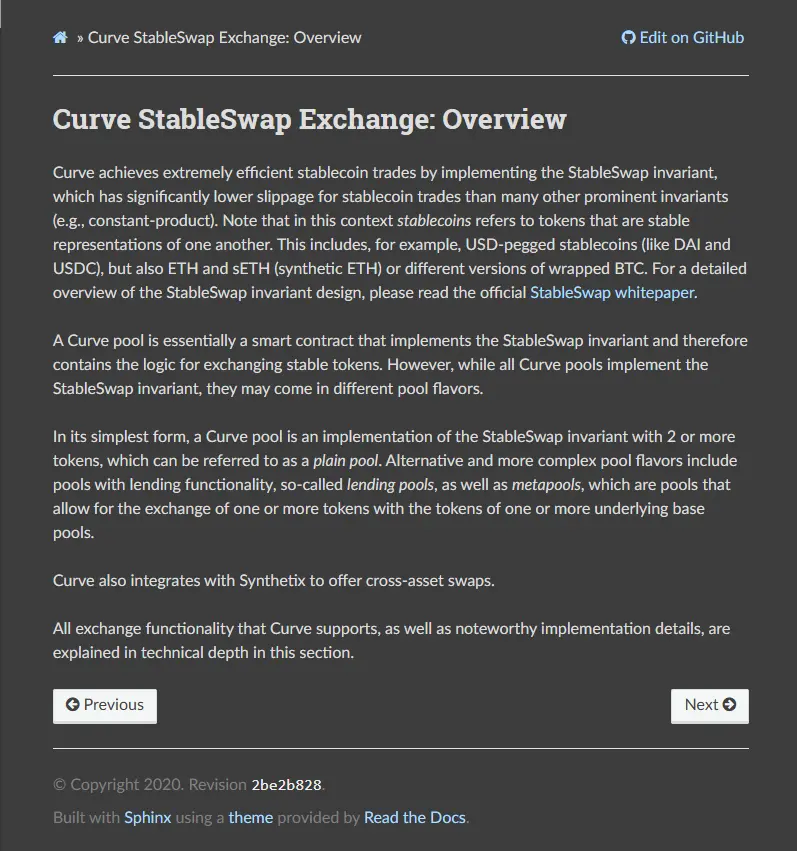
Different StableSwap implementations use varying invariants. Curve’s original StableSwap algorithm prioritizes stability for pegged assets like USDC and USDT, while newer iterations like CRVUSD or Balancer’s StablePool introduce different fee structures and rebalancing mechanisms. Ensure the pool’s underlying math matches your asset type; a standard StableSwap pool may suffer high slippage if used for volatile pairs.
Total Value Locked (TVL) is a lagging indicator. Look at the immediate order book or liquidity concentration around the current price. A pool with high TVL but wide liquidity distribution outside the current price band will still produce slippage on moderate trades. Use on-chain explorers to see where the bulk of liquidity sits relative to the current asset ratio.
AI-driven pools often automate rebalancing to maintain optimal weightings. Review how frequently these adjustments occur. High-frequency rebalancing can reduce slippage during volatility but may increase impermanent loss for liquidity providers. For traders, this means the pool stays efficient but may incur higher gas costs or fees during intense market activity.
Before executing a large trade, place a small limit order to gauge actual fill rates and slippage. AI models predict optimal routes, but network congestion or sudden liquidity withdrawals can alter outcomes. This step reveals the true cost of the trade, including any hidden fees or price impact not visible in the initial quote.
Key Takeaways:
- Verify the invariant model matches your asset type.
- Check real-time liquidity depth, not just TVL.
- Assess how AI rebalancing affects your trade costs.
- Test with small orders to gauge actual slippage.
Spot the weak options
Not all AI-driven liquidity pools deliver the low slippage promised in 2026. Some protocols prioritize yield farming rewards over capital efficiency, leading to impermanent loss that outweighs trading fees. Others use opaque AI models that adjust parameters without transparent governance, creating hidden risks during market volatility. Here are the most common traps to avoid when evaluating these platforms.
AI models with no audit trail
Some platforms claim their AI optimizes pool weights in real-time, but refuse to publish the underlying logic or historical performance data. Without transparency, you cannot verify if the model is actually reducing slippage or simply masking poor liquidity. Always check if the protocol publishes its algorithmic decisions on-chain or through a verifiable oracle. If the AI’s behavior is a black box, assume the slippage benefits are theoretical until proven otherwise.
Pools with concentrated liquidity risks
Concentrated liquidity pools can offer lower fees, but they are highly vulnerable to price swings. If the AI-driven rebalancing lags even by a few seconds, the pool can become illiquid, causing massive slippage for traders. Look for pools that use automated, real-time rebalancing with proven latency metrics. Avoid pools that rely on manual or infrequent adjustments, especially for volatile stablecoin pairs.
Yield farming traps
Many AI-driven pools advertise high APYs to attract liquidity, but these returns often come from token emissions that are unsustainable. When the emission schedule ends, liquidity can dry up, leading to higher slippage and worse trading conditions. Check the protocol’s tokenomics and emission schedule before committing capital. Sustainable pools prioritize long-term liquidity depth over short-term yield incentives.
No comments yet. Be the first to share your thoughts!