
Get stableswap 2026 right
Before you deposit liquidity, you need to verify that the pool structure aligns with your risk tolerance. Stableswap pools are engineered for assets pegged to the same value, such as USDC, USDT, and DAI. The goal is low slippage on swaps, but this comes with specific mechanical requirements that differ from standard volatile asset pairs.
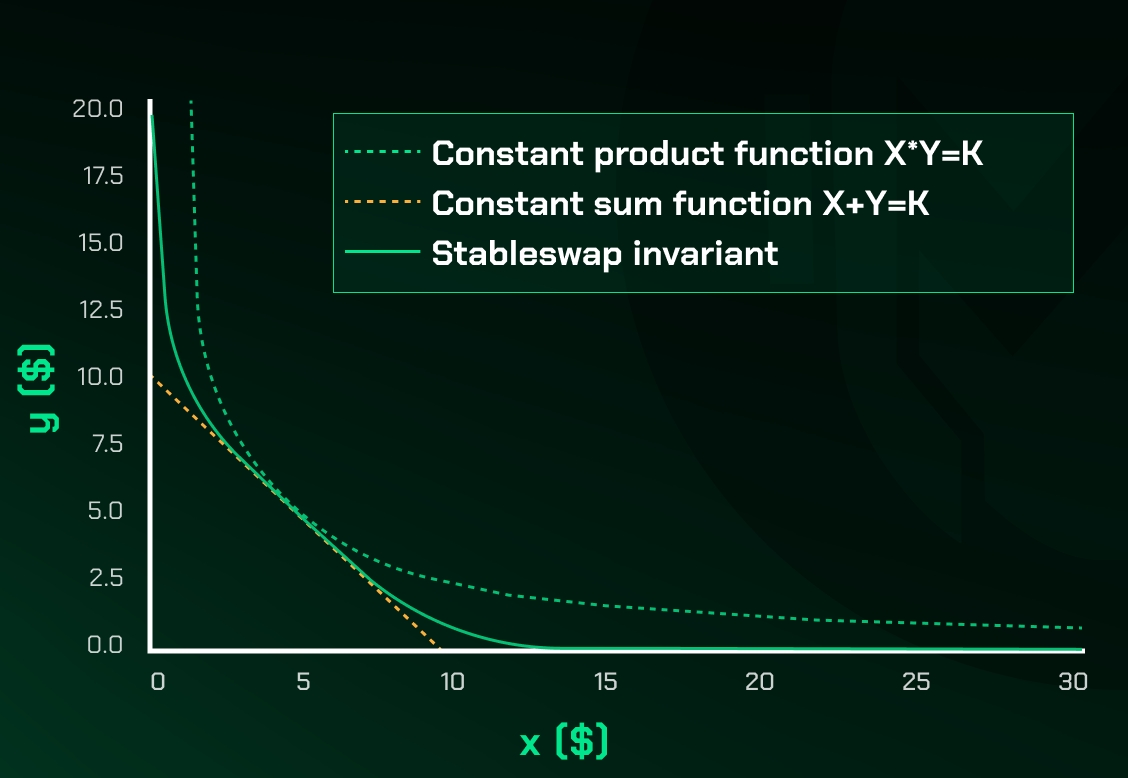
Check the pool composition first. Curve’s Stableswap algorithm docs.curve.finance relies on a specific invariant to maintain peg stability. If the pool includes non-stable assets or mixed pegs, the yield dynamics and risk profile change entirely. Ensure you are looking at a pure Stableswap pool, not a CryptoSwap variant, unless you explicitly understand the volatility exposure.
Verify the governance and upgrade status of the contract. In 2026, regulatory scrutiny on stablecoin reserves has intensified. Pools backed by transparent, high-quality reserves are less prone to de-pegging events that can drain liquidity. Check the latest audit reports and on-chain reserve proofs. If the protocol has recently upgraded its admin keys or changed its fee structure, factor that into your entry point.
Finally, confirm your wallet’s compatibility. Some older stableswap contracts require specific approval steps for each token. Ensure your wallet supports the necessary ERC-20 allowances or that you are using a recognized interface that handles multi-approval efficiently. Skipping this check can lead to failed transactions or unexpected gas costs during high-volume periods.
Work through the steps
To maximize yields with AI-optimized StableSwap pools, you must align your capital with low-slippage pairs while accounting for the specific fee structures that drive rewards. This process requires selecting the right pool, configuring your liquidity provision, and monitoring the AI-driven rebalancing mechanisms that adjust your exposure in real time.
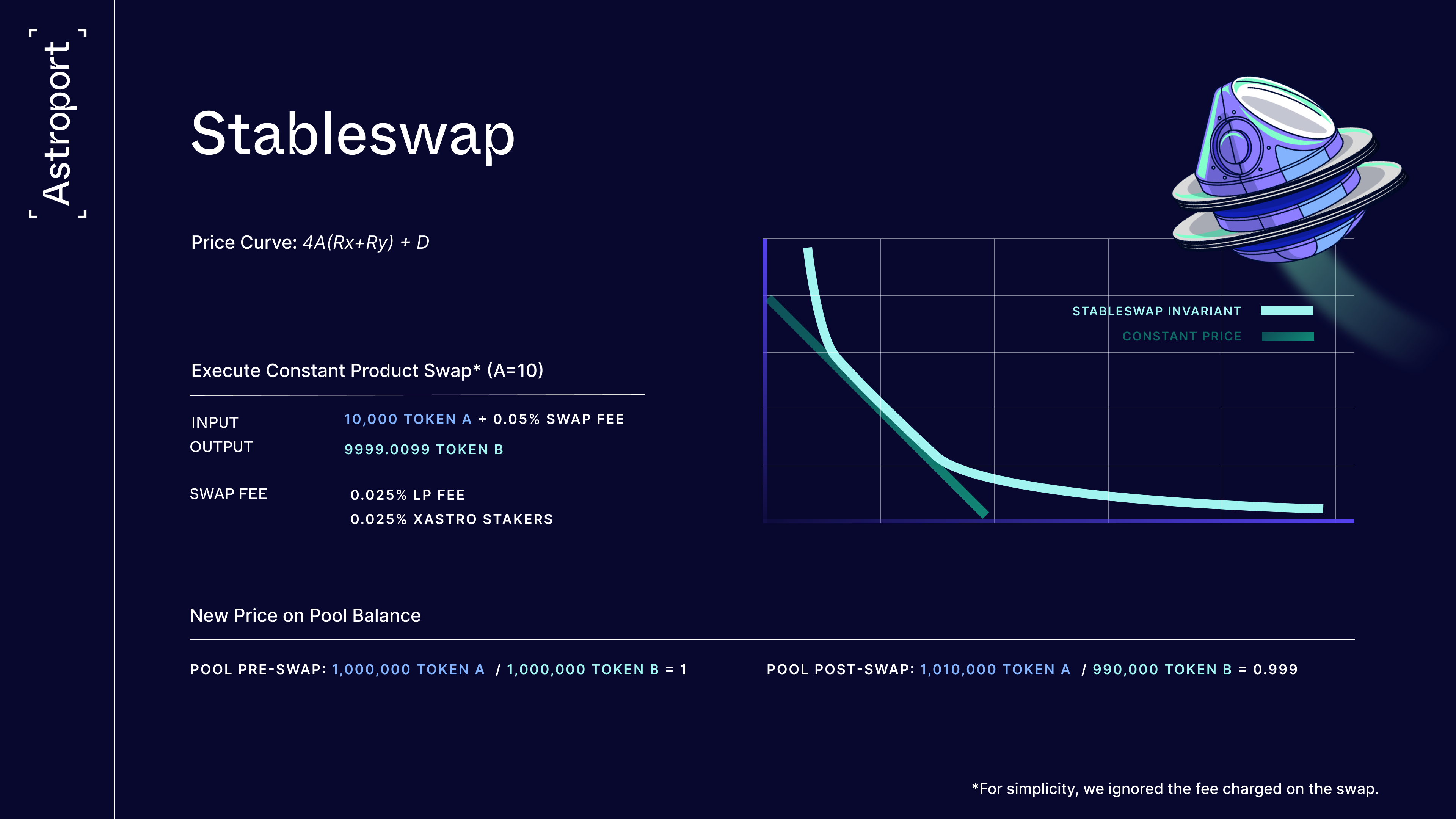
Begin by identifying pairs with high correlation, such as USDC/USDT or ETH/stETH. StableSwap algorithms, like those used by Curve, minimize slippage for assets pegged to the same value. Use a DEX screener to filter pools by TVL and daily volume; higher metrics indicate deeper liquidity and lower impermanent loss risk. Avoid volatile pairs that mimic stableswap interfaces but lack the underlying peg stability.
AI-optimized pools often adjust fee tiers and reward distributions dynamically based on market conditions. Review the pool’s governance proposal or smart contract documentation to understand how the AI agent modifies weights. Ensure the algorithm prioritizes capital efficiency without exposing your principal to excessive volatility. Look for parameters that cap the maximum deviation from the ideal peg.
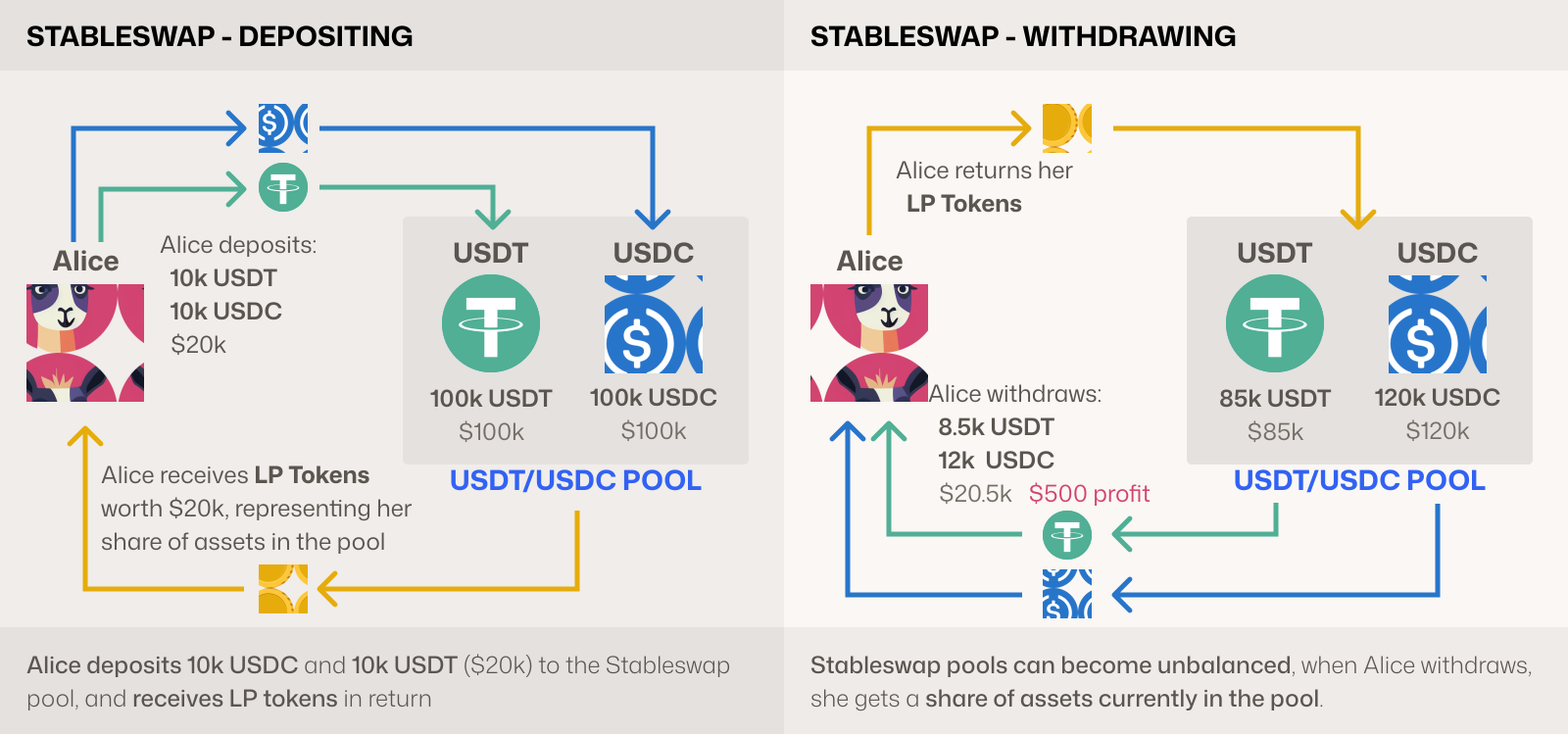
Connect your wallet to the protocol’s verified frontend. Deposit your assets in the required ratio, typically 1:1 for stable-to-stable pairs. Confirm the transaction details, including the gas fee and the exact token amounts being swapped or deposited. Double-check that you are interacting with the official contract address to prevent phishing exploits.
Once deposited, you receive LP (Liquidity Provider) tokens representing your share. Stake these tokens in the corresponding yield farm or gauge to earn trading fees and protocol incentives. AI-optimized pools may auto-compound these rewards or redistribute them to the most efficient providers. Verify the emission rate and the vesting schedule to understand when you can claim or withdraw your earnings.
AI agents may rebalance your position if the pool’s peg deviates significantly. Set up alerts for price divergence or changes in the AI’s fee structure. If the yield drops below your threshold or the risk profile changes, withdraw your liquidity promptly. Always use the official withdrawal interface to ensure you receive your full principal and accrued rewards.
Common StableSwap Mistakes
Even with AI-optimized liquidity pools, human error remains the primary cause of yield loss. The StableSwap algorithm is designed to facilitate swaps between assets pegged to the same value, but it does not protect against user misconfiguration or market disconnects. Below are the most frequent errors and how to avoid them.
Ignoring Slippage Tolerance on Repeg Events
StableSwap pools can experience "repeg" events where the peg shifts slightly (e.g., from $1.00 to $1.01) due to imbalances. If you set slippage tolerance too low, your transaction will fail repeatedly, costing you gas fees. If you set it too high, you may suffer significant impermanent loss during the adjustment. Check the pool’s current virtual price and set slippage to 0.5%–1% during high volatility.
Providing Liquidity in Mismatched Pegs
AI tools may suggest pools with high APY, but if the underlying assets are losing their peg (e.g., a de-pegged stablecoin), you are not earning yield—you are absorbing risk. Always verify the peg stability of each asset in the pool. Do not assume a 20% APY is sustainable if one asset is trading at $0.95.
Overlooking Cryptoswap for Non-Stable Assets
Curve’s Cryptoswap algorithm is designed for assets with different values (e.g., stETH/ETH), not just stablecoins. Using StableSwap for volatile pairs results in high slippage and poor pricing. Ensure you are using the correct algorithm for the asset type. StableSwap is for pegged assets; Cryptoswap is for correlated but non-pegged assets.
Failing to Monitor External Shocks
Stablecoins are increasingly affected by non-crypto shocks, such as regulatory changes or macroeconomic events. These external factors can cause sudden liquidity drains or peg breaks. Monitor news sources and official announcements. Do not lock liquidity in pools without an exit strategy for black swan events.
Stableswap 2026: what to check next
Before committing capital to AI-optimized liquidity pools, it helps to understand the mechanical differences between trading protocols and the specific risks involved with algorithmic stability.
No comments yet. Be the first to share your thoughts!