
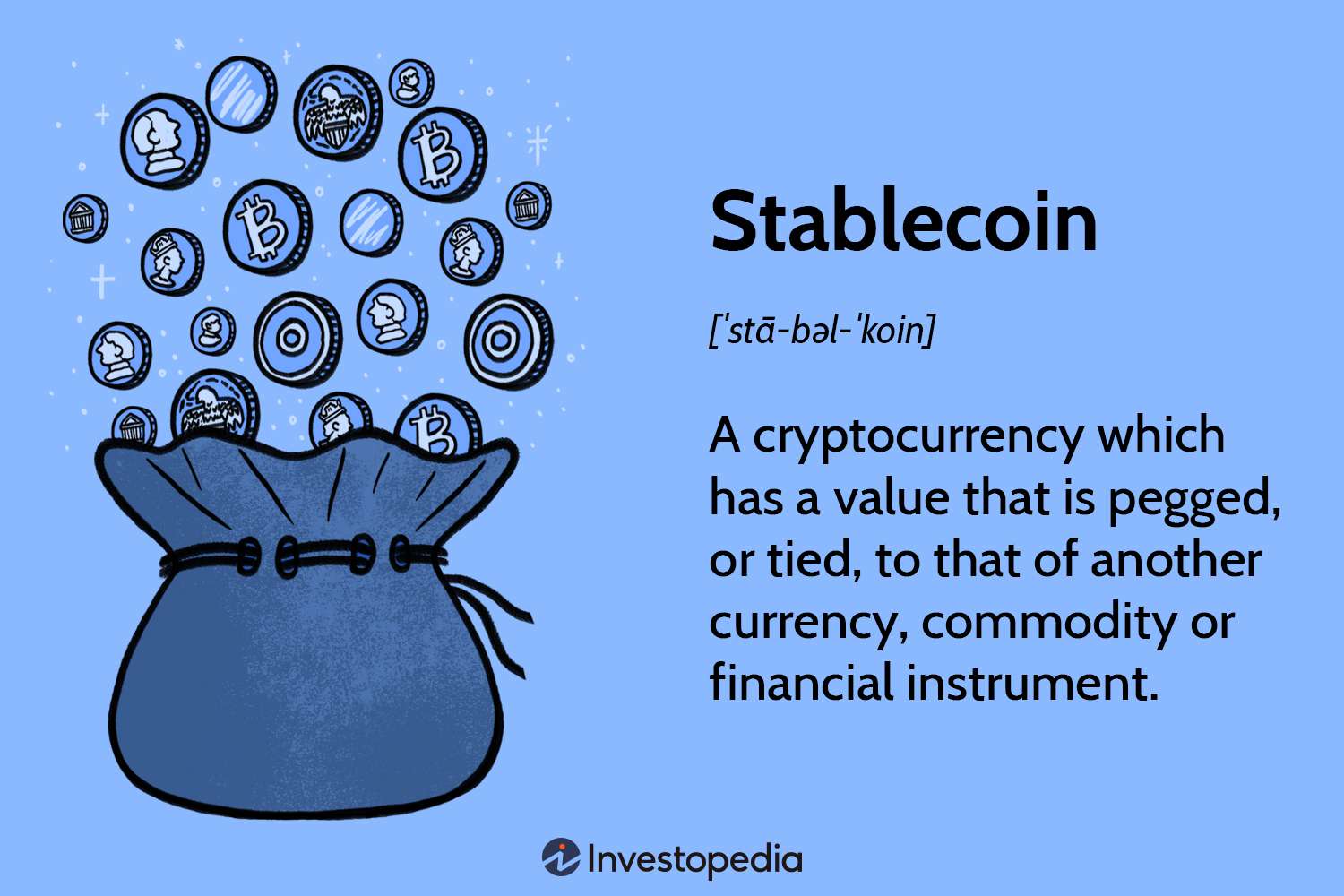
Stableswap vs. traditional stablecoins: the real choices that change the plan
Choosing between a StableSwap protocol (like Curve or Uniswap V3 stable pools) and traditional stablecoins (like USDC or USDT held in a wallet or money market fund) isn't just about yield; it's about liquidity depth, impermanent loss risk, and operational complexity. This comparison breaks down where each approach wins, what you need to check before committing capital, and how to avoid common pitfalls that erode returns.
| Factor | StableSwap Protocol | Traditional Stablecoins |
|---|---|---|
| Yield Potential | ||
| Liquidity Depth | ||
| Risk Profile |
Where Each Option Wins
Choose StableSwap Protocols When:
- You seek higher yields: StableSwap protocols generate income from trading fees, which can significantly outpace lending rates, especially during high-volume periods.
- You are comfortable with technical risk: You understand smart contract risks, impermanent loss (even if minimal for stable pairs), and the mechanics of liquidity provision.
- You need efficient large trades: Deep liquidity pools in established StableSwap protocols allow for large trades with minimal slippage compared to fragmented order books.
Choose Traditional Stablecoins When:
- Capital preservation is paramount: You prioritize safety over yield, preferring the simplicity of holding stablecoins in a wallet or lending them via regulated platforms.
- You lack technical expertise: You want to avoid the complexities of managing liquidity positions, rebalancing, and monitoring smart contract risks.
- You need immediate accessibility: Traditional stablecoins can be moved or sold instantly on major exchanges without the lock-up periods or withdrawal fees sometimes associated with DeFi protocols.
Details Worth Checking
Before allocating capital to either option, perform these concrete checks to ensure your choice aligns with your risk tolerance and goals.
-
Verify Protocol Audits and HistoryFor StableSwaps, confirm the protocol has undergone multiple reputable audits and has a clean security track record. Check for past exploits or vulnerabilities.
-
Assess Peg StabilityFor both options, monitor the stability of the underlying stablecoin. Check historical data for de-pegging events and the mechanisms in place to maintain the peg.
-
Calculate Real Yield After FeesFor StableSwaps, factor in gas fees, impermanent loss, and protocol fees. For traditional stablecoins, consider platform fees and withdrawal costs. Compare net returns.
-
Evaluate Liquidity DepthCheck the Total Value Locked (TVL) and 24-hour trading volume for StableSwap pools. For traditional stablecoins, assess the liquidity on your chosen exchange or lending platform.
StableSwap vs. Traditional Stablecoins: FAQ
What is the main risk of providing liquidity to a StableSwap pool?
The primary risks are smart contract vulnerabilities (code bugs or exploits) and impermanent loss, though IL is typically minimal for stable pairs. You also face counterparty risk if the protocol's governance or treasury is compromised.
How do I calculate the net yield from a StableSwap protocol?
Subtract all costs from the gross APY. Costs include gas fees for depositing/withdrawing, impermanent loss (calculated based on price divergence, even if small for stable pairs), and any protocol fees. Use online calculators or spreadsheet models to estimate this accurately.
Are traditional stablecoins safer than StableSwap protocols?
Generally, yes, in terms of technical risk. Traditional stablecoins held in a wallet or lent via regulated platforms avoid smart contract risks. However, they carry issuer solvency risk and regulatory risk, which can also be severe.
When should I avoid StableSwap protocols entirely?
Avoid StableSwaps if you are uncomfortable with smart contract risks, lack the technical knowledge to manage liquidity positions, or need immediate access to your capital without potential lock-up periods or withdrawal fees.
Helpful Gear
These resources can help you monitor and manage your stablecoin positions effectively.

- Real-time price and APY tracking
- Monitor impermanent loss and yield

As an Amazon Associate, we may earn from qualifying purchases.
No comments yet. Be the first to share your thoughts!