
Why stableswap hubs matter now
The StableSwap Hub architecture solves a specific friction point in decentralized trading: the high cost of moving pegged assets. When you trade two stablecoins like USDC for USDT, the price difference is tiny, but traditional automated market makers (AMMs) charge fees that ignore this stability. StableSwap hubs fix this by using a specialized invariant that mimics the efficiency of a centralized exchange while remaining on-chain. This means near-zero slippage for pegged pairs, allowing traders to move large volumes without eating into their principal.
Beyond individual pools, these hubs aggregate liquidity across multiple chains. Instead of fragmented liquidity sitting in isolated silos, a hub connects these pools, creating a deep, unified market for stablecoins. This aggregation is critical for 2026, where cross-chain activity is no longer a niche experiment but a daily operational requirement for institutions and retail traders alike. The efficiency gains are not just about lower fees; they are about the ability to execute trades instantly, regardless of which blockchain the asset originates from.

The underlying mechanism, as detailed in the original StableSwap paper by Curve Finance, replaces the constant product formula ($x \cdot y = k$) with a hybrid that prioritizes stability. This mathematical adjustment ensures that as long as assets remain pegged, trading costs remain minimal. For the modern trader, this means that stablecoin swaps are no longer a necessary evil of DeFi but a streamlined, low-friction operation. Understanding this architecture is the first step in selecting the right DEX for your cross-chain needs.
Curve Finance: The Foundational StableSwap Hub
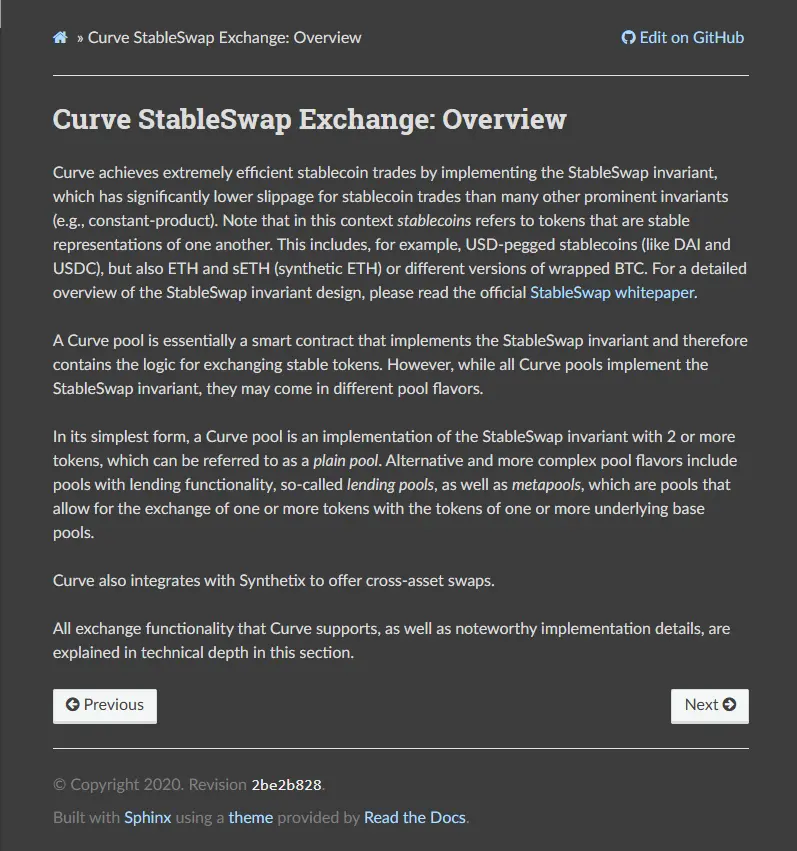
Curve Finance remains the bedrock of the StableSwap Hub ecosystem, having pioneered the technology that allows stablecoins to trade with minimal slippage. Unlike traditional automated market makers that suffer from high fees when assets deviate in price, Curve uses a specialized algorithm called the StableSwap invariant. This mechanism blends the behavior of a constant product market maker (like Uniswap) with that of a bonding curve, ensuring that small price differences between stable assets (like USDC and USDT) are traded almost instantly at par value.
The platform’s dominance stems from its metapool structure, which allows new tokens to be pegged to existing stablecoin pools. For example, a metapool can wrap a volatile asset like stETH and pair it with a stablecoin, effectively turning a volatile asset into a stable trading pair within the Curve ecosystem. This structure has made Curve the primary liquidity hub for Ethereum L1, holding billions in total value locked (TVL) across its various pools. The 3pool, which facilitates trading between USDC, USDT, and DAI, remains one of the most liquid and efficient trading venues in DeFi.
The 3pool: A Case Study in Low-Fee Trading
The 3pool is the most prominent example of Curve’s efficiency. It allows users to swap between three major stablecoins with fees as low as 0.04%. This low fee structure is critical for high-frequency trading and large institutional flows, where even a 0.1% fee can result in significant slippage losses. The pool’s design ensures that arbitrageurs can easily keep the pegs aligned, maintaining stability for all participants.
Security and Risk Considerations
While Curve offers unparalleled efficiency, its role as a liquidity hub also makes it a target for exploits. The complexity of its smart contracts, particularly in metapools, requires rigorous auditing. Users should be aware that while the StableSwap invariant reduces slippage, it does not eliminate smart contract risk. Always verify the pool’s contract address and ensure you are interacting with the official Curve Finance interface.
PancakeSwap: Low-cost stableswap on BSC
PancakeSwap operates as a decentralized protocol for automated token exchange on BNB Chain, offering a distinct alternative for traders prioritizing speed and low gas fees. While many StableSwap Hub alternatives focus on Ethereum’s liquidity, PancakeSwap leverages the BNB Chain’s architecture to process transactions in seconds for fractions of a cent. This makes it a practical venue for smaller arbitrage trades that would be economically unviable on higher-fee networks.
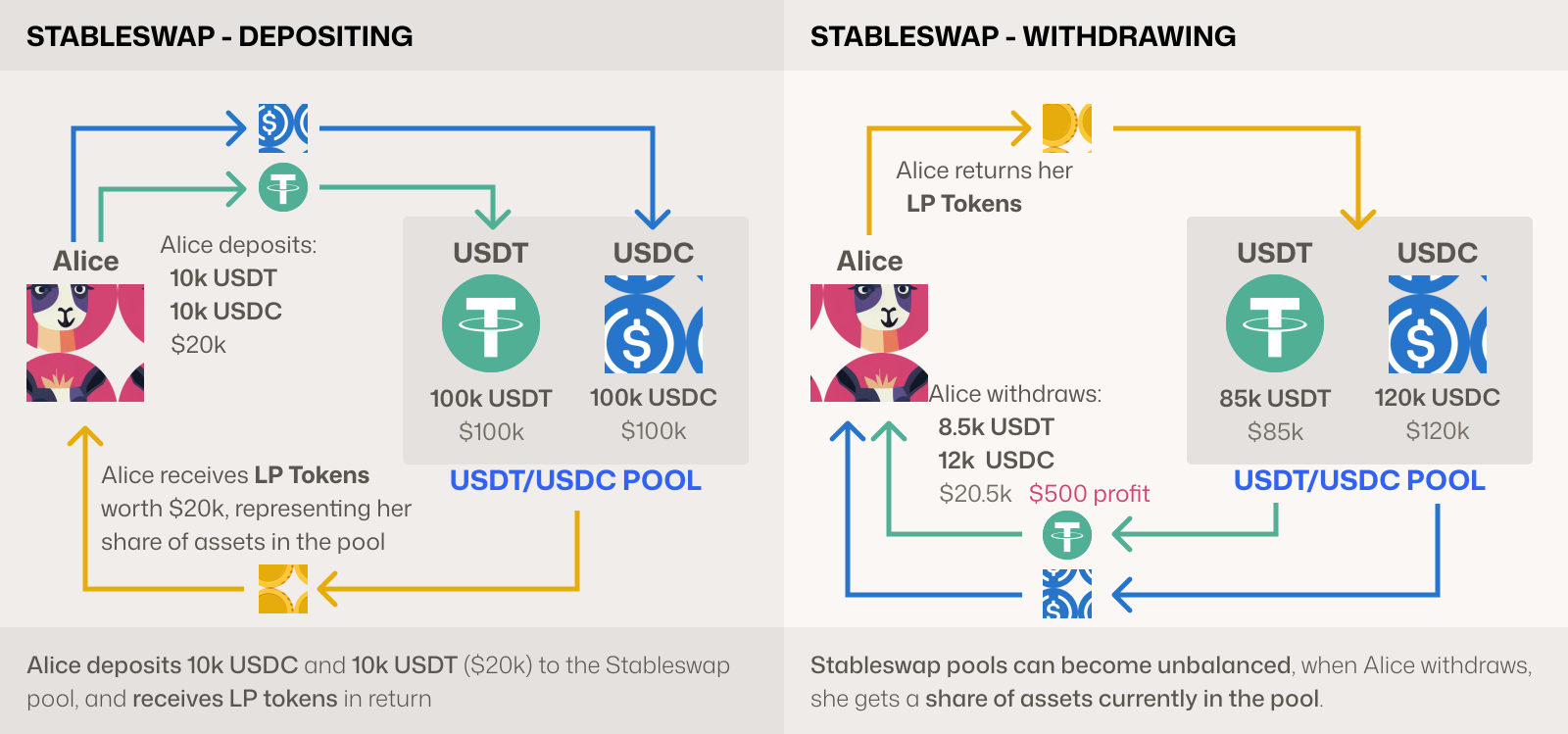
The platform’s low-cost structure stems from its underlying mechanics. Unlike traditional AMMs that use a constant product formula ($x * y = k$), PancakeSwap’s stableswap pools utilize an invariant closer to Curve’s design, which reduces slippage for pegged assets. This mathematical adjustment keeps prices stable during large trades, but it introduces complexity. If the pool’s balance drifts too far from equilibrium, the automated market maker may struggle to correct it, leading to impermanent loss for liquidity providers and unexpected price impacts for traders.
Security remains the primary concern when navigating these low-fee environments. The same efficiency that allows for rapid arbitrage also means that exploits can drain pools quickly. Traders must carefully monitor pool depths and avoid over-leveraging positions. While the fees are attractive, the risk of smart contract vulnerabilities or oracle manipulation requires a higher degree of diligence than traditional centralized exchanges. Always verify the specific pool’s liquidity before executing trades, as thin pools can result in significant slippage despite the platform’s low base fees.
Solana StableSwap: Speed Over Decentralization
Solana’s implementation of StableSwap prioritizes throughput above all else, creating an environment where high-frequency traders and arbitrageurs can execute swaps in milliseconds. This architecture leverages the network’s parallel processing capabilities to handle thousands of transactions per second, making it the preferred venue for stablecoin trading when latency is the primary cost.
The mechanics rely on a modified invariant that maintains peg stability while minimizing slippage. Unlike traditional automated market makers that use a constant product formula, Solana’s StableSwap pools use a curve that flattens near the peg, allowing large orders to pass through with minimal price impact. This design is critical for stablecoins, where even small deviations from parity can erode profits for rapid traders.
However, this speed comes with trade-offs. The high frequency of transactions increases exposure to front-running and MEV (Maximal Extractable Value) attacks. Traders must be vigilant about slippage settings and timing, as the very speed that enables profit can also facilitate exploitation. Security is not guaranteed by the protocol alone; it requires careful execution strategies.
For those trading on Solana, the focus shifts from if the swap will succeed to how fast it will settle. The network’s finality is near-instant, but the competitive landscape means that waiting even a block can mean missing an arbitrage opportunity. This environment rewards those who understand the technical nuances of the StableSwap invariant and can execute with precision.
Arbitrum and Optimism: L2 stableswap hubs
Arbitrum and Optimism have evolved into critical StableSwap Hubs, solving the high gas fees that previously made small stablecoin trades on Ethereum impossible. These Layer 2 networks offer Ethereum’s security guarantees while reducing transaction costs by over 90%. For traders, this means accessing deep liquidity without the slippage penalties typical of congested mainnets.
The StableSwap invariant—designed to keep stablecoins pegged closely together—runs efficiently on these chains. Curve’s Stableswap-ng contracts, deployed on both Arbitrum and Optimism, support up to eight coins in plain pools. This multi-coin structure allows for deeper liquidity and tighter spreads, essential for maintaining low slippage during volatile market conditions.
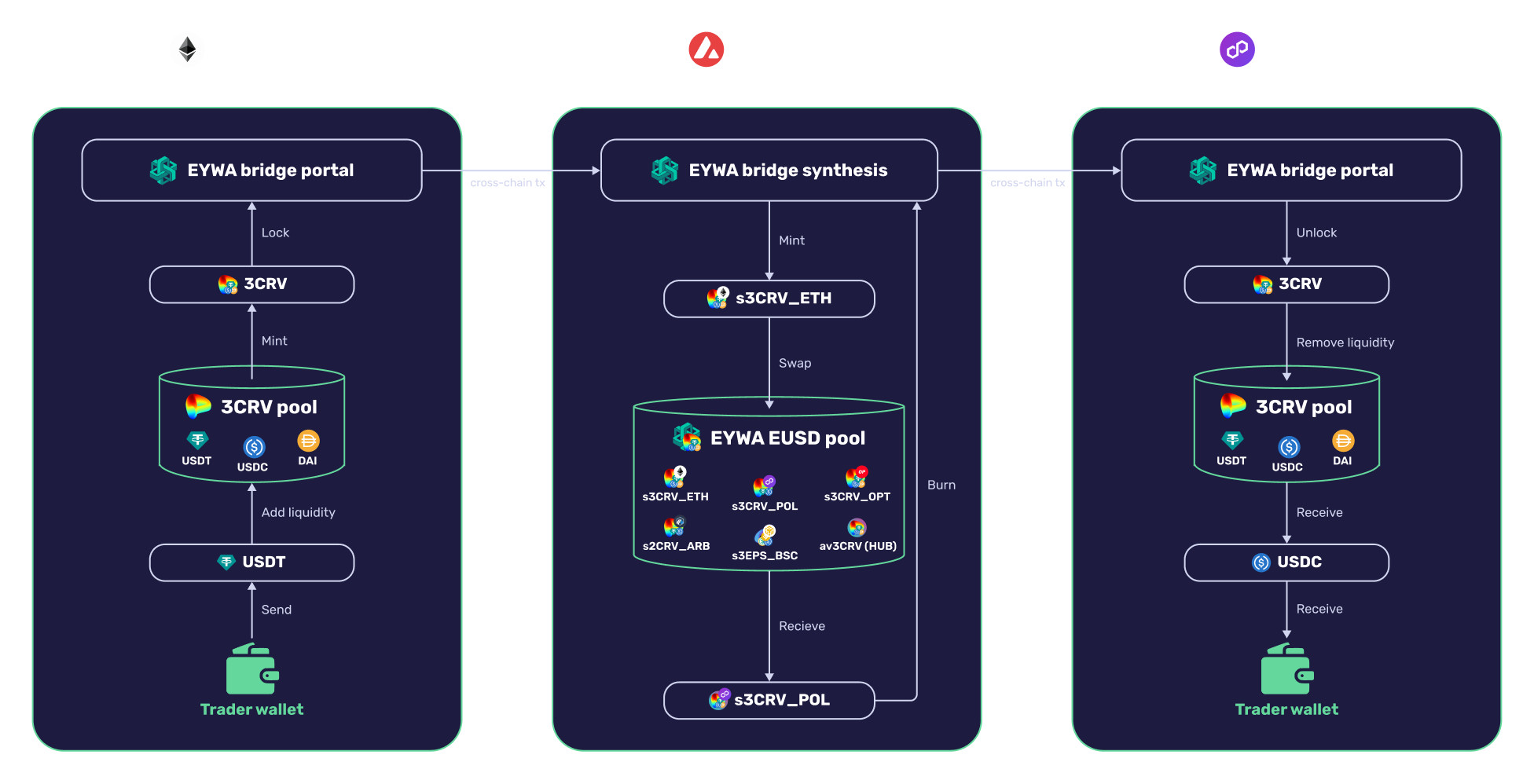
Visualizing the liquidity distribution across these L2s highlights the concentration of stablecoin volume. The following diagram illustrates how cross-chain liquidity protocols route trades to minimize impact.
Recent trading data shows ARB/USDC pairs on Arbitrum maintaining high volume with minimal fee drag. This efficiency makes L2s the preferred choice for high-frequency stablecoin swaps and arbitrage strategies that rely on tight margins.
How to choose the right stableswap hub
Selecting the optimal stableswap hub requires balancing three competing forces: trading fees, slippage, and bridge risk. The StableSwap invariant, introduced by Curve Finance, is designed to mimic Uniswap’s flexibility but with lower fees for pegged assets. It achieves this by using a hybrid formula that behaves like a Constant Product Market Maker (CPMM) when prices diverge and like a Constant Sum Market Maker when they are close. This mechanism keeps slippage minimal for stablecoin pairs, but it is not immune to losses if the peg breaks.
The primary risk in cross-chain trading is not the swap itself, but the bridge connecting the chains. A hub on Ethereum Mainnet offers deep liquidity but high gas fees. A hub on a Layer 2 or alternative chain like Arbitrum or Optimism offers speed and low costs but may have shallower pools. If you are trading large volumes, even a 0.04% fee difference on a major pair like USDC/USDT can mean hundreds of dollars in savings. However, if the bridge to that chain has a history of exploits or slow finality, the savings are irrelevant.
To compare options side-by-side, we evaluate the top hubs based on their fee structures and cross-chain capabilities. Use the table below to identify which hub aligns with your specific trading pair and risk tolerance.
| Hub | Primary Chain | Fee Tier | Bridge Risk | Best For |
|---|---|---|---|---|
| Curve Finance | Ethereum | 0.04% | Low (Native) | Large USDC/USDT volumes |
| StellaSwap | Arbitrum | 0.02% | Medium (Arbitrum Bridge) | Speed and low fees |
| PancakeSwap | BSC | 0.01% | High (BSC Bridge) | High-frequency small trades |
| Trader Joe | Avalanche | 0.05% | Medium (Avalanche Bridge) | AVAX-stablecoin pairs |
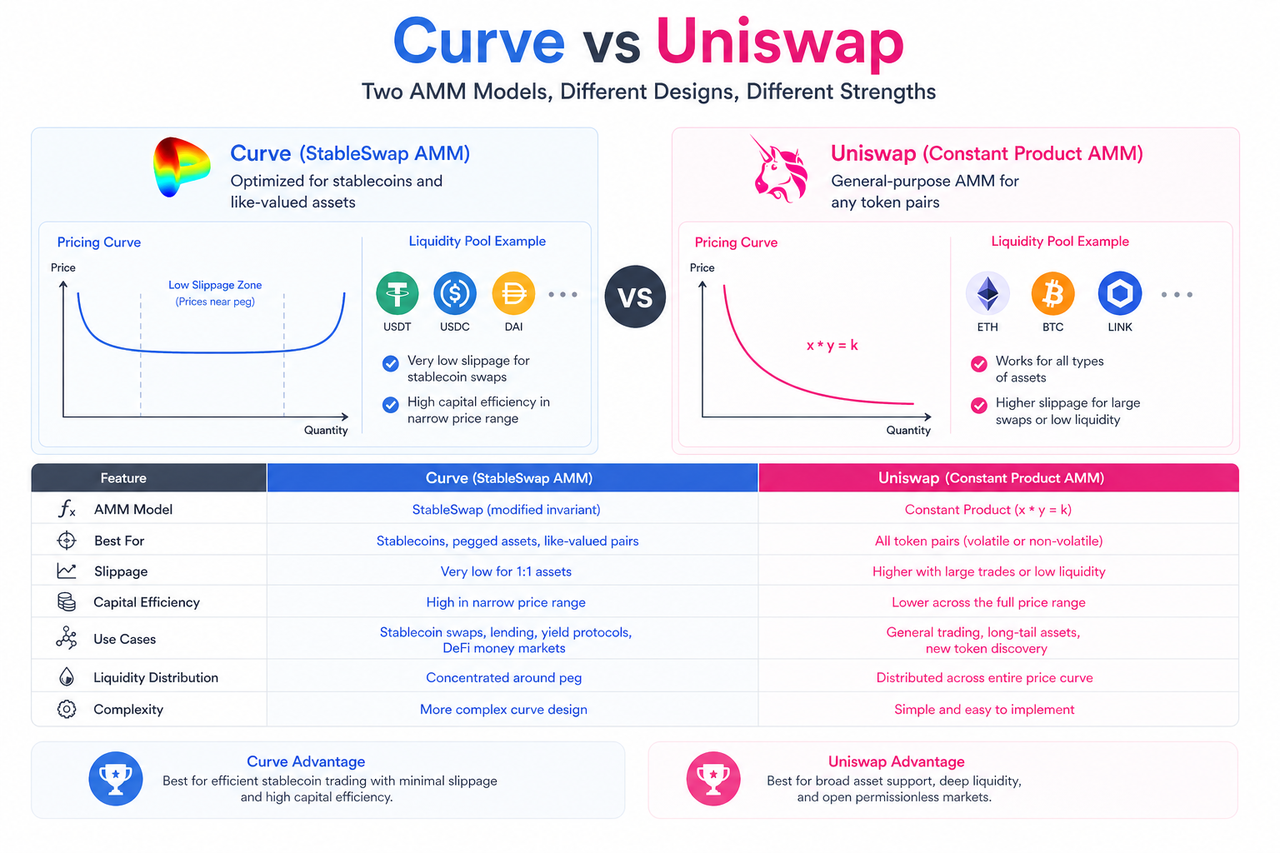
The image above illustrates the core difference between AMM models. While standard AMMs like Uniswap use a simple $x \cdot y = k$ formula, StableSwap hubs use a more complex invariant. This allows them to maintain tight pegs with minimal price impact. When choosing your hub, look for pools with high Total Value Locked (TVL), as this indicates deeper liquidity and lower slippage for your trade.
Top StableSwap Hubs by Use Case
-
Best for Ethereum Liquidity
Curve Finance remains the gold standard for USDC, USDT, and DAI swaps on Ethereum. Its deep liquidity ensures minimal slippage for large orders, despite higher gas costs. -
Best for Speed and Low Fees
StellaSwap on Arbitrum offers significantly lower transaction costs than Ethereum. It is ideal for traders who prioritize speed and frequent, smaller trades. -
Best for High-Frequency Trading
PancakeSwap on BSC provides the lowest fees in the industry. It is suitable for high-frequency traders who are comfortable with the higher bridge risk associated with BSC.
No comments yet. Be the first to share your thoughts!