

In the volatile world of DeFi, providing liquidity to stablecoin pairs like USDT-DAI offers a rare blend of yield potential and relative safety. Curve Finance stands out with its concentrated liquidity in Curve approach, tailoring the stable AMM Curve design to hug the 1: 1 peg tightly. This minimizes impermanent loss USDT DAI traders dread, especially when compared to broader-range models in other protocols. By pooling liquidity precisely where trades occur most, Curve delivers superior capital efficiency without the wild swings of traditional AMMs.
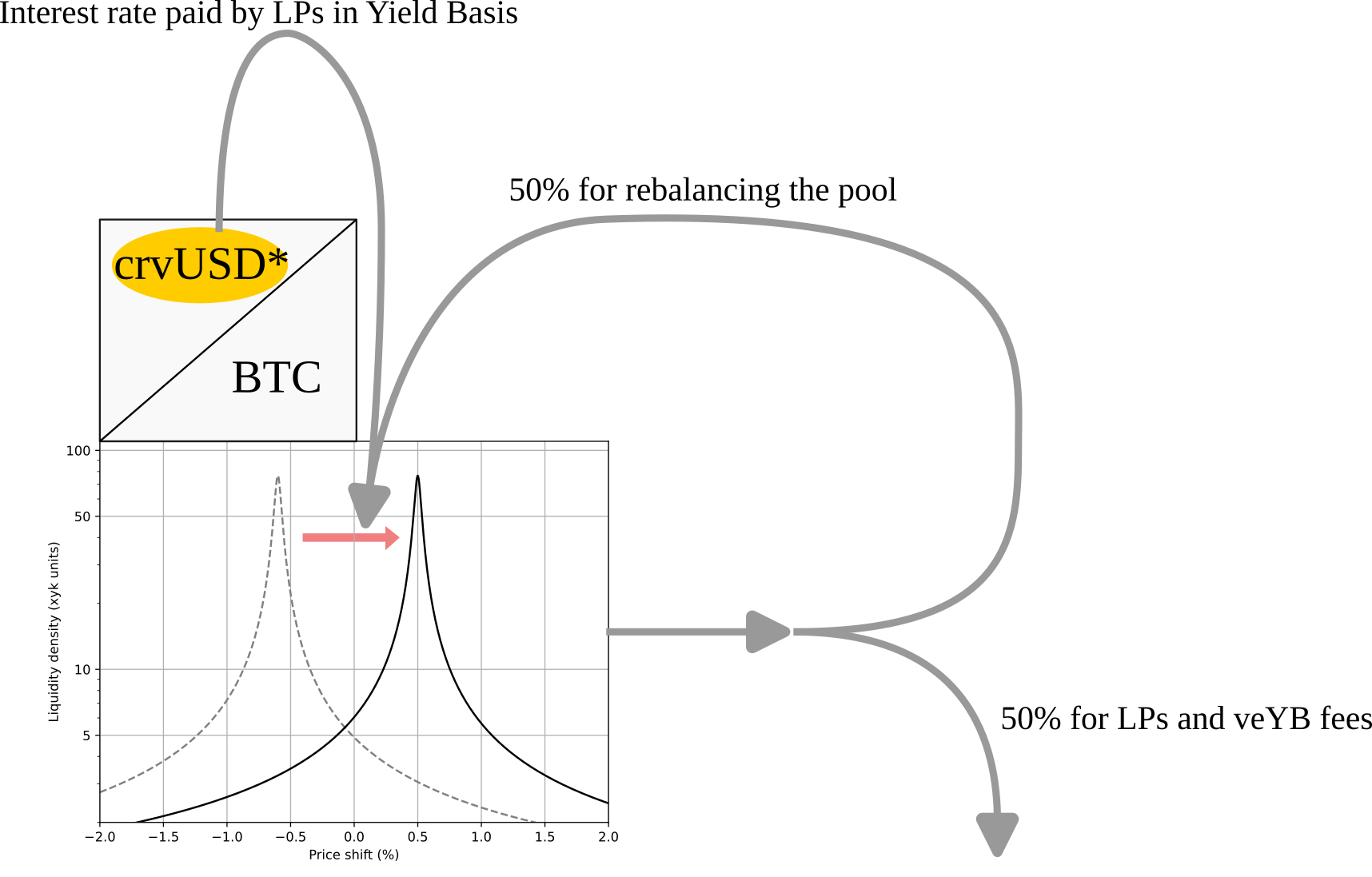
Stablecoins such as USDT and DAI maintain prices within razor-thin bands, often deviating no more than 0.1% from parity under normal conditions. Yet, impermanent loss lurks as a subtle risk, arising when price ratios shift even slightly. Curve's innovation lies in its StableSwap algorithm, which flattens the bonding curve around this peg, ensuring providers capture fees from the bulk of swap volume while exposure to outsized losses remains contained.
Dissecting Impermanent Loss in Low-Volatility Pairs
Impermanent loss quantifies the opportunity cost liquidity providers face when asset prices diverge from the deposit ratio. For volatile pairs, it erodes returns rapidly; for stables, it simmers at negligible levels. Mathematical models, as outlined in systematic reviews of AMM risks, show IL approximating zero when price ratios stay within 0.5%. In USDT-DAI, historical data reveals deviations rarely exceed this threshold absent systemic shocks.
Consider a simplified formula: IL = 2 * sqrt(r)/(1 and r) - 1, where r is the price ratio change. At r = 1.001 (a 0.1% drift), IL registers under 0.005%, trivial against 0.2-0.5% fees per trade. Concentrated liquidity amplifies this advantage by allocating capital to narrow ranges like $0.999-$1.001, boosting fee accrual proportionally while IL scales linearly with deviation.
Community discussions highlight pitfalls: narrow positioning multiplies both fees and IL exposure during spikes. A Reddit thread on Uniswap noted 10% IL in stables under stress, underscoring why Curve's hybrid curve outperforms Uniswap V3's pure concentration for pegged assets.
Impermanent Loss Comparison - Curve StableSwap vs Uniswap V3 for USDT-DAI at Price Deviations of 0.1%, 1%, and 5%
| Price Deviation (%) | Uniswap V3 IL (%) | Curve StableSwap IL (%) |
|---|---|---|
| 0.1 | 0.00 | 0.00 |
| 1 | 0.50 | 0.01 |
| 5 | 2.44 | 0.05 |
Curve's StableSwap: Precision Engineering for Pegged Assets
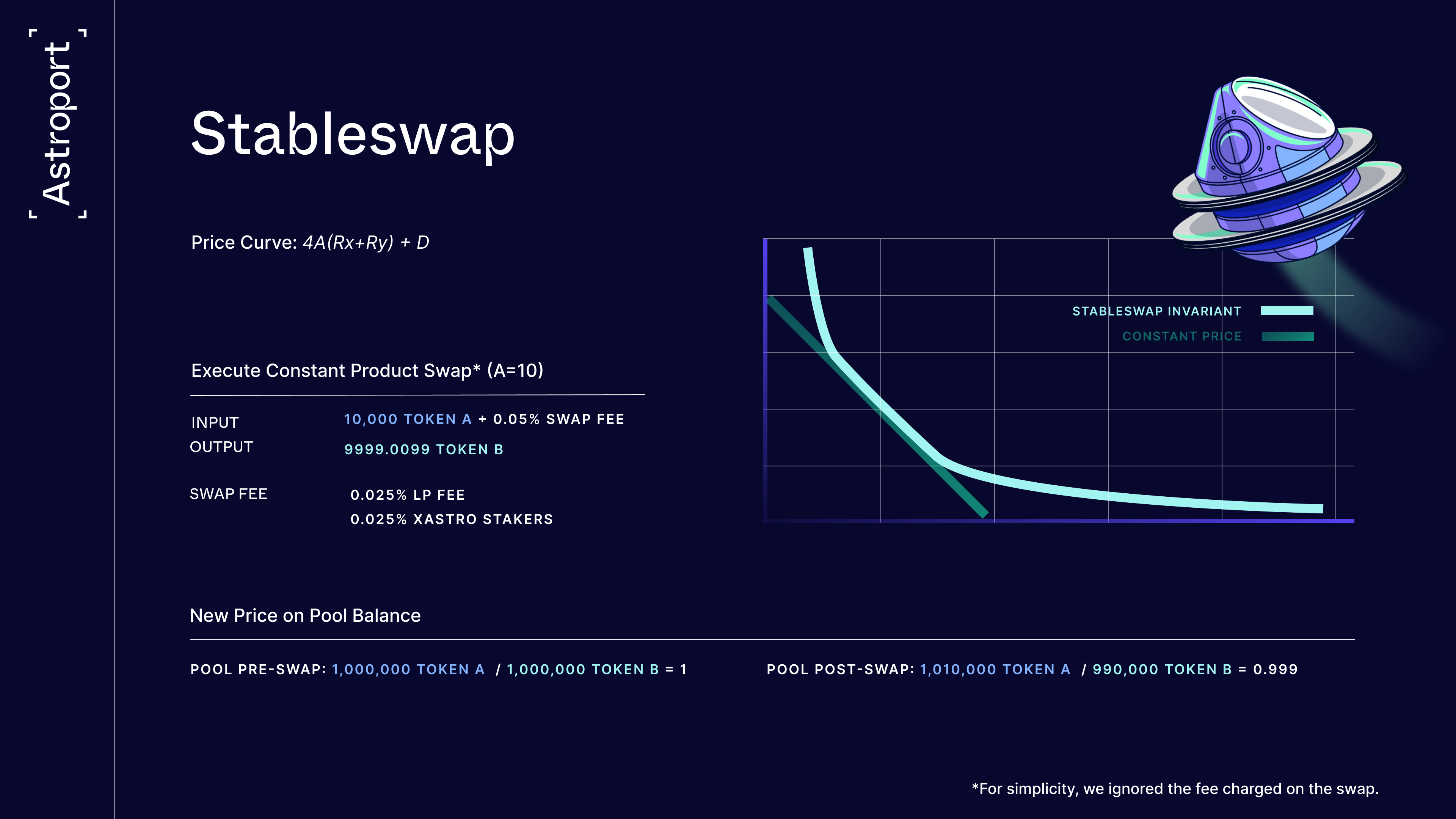
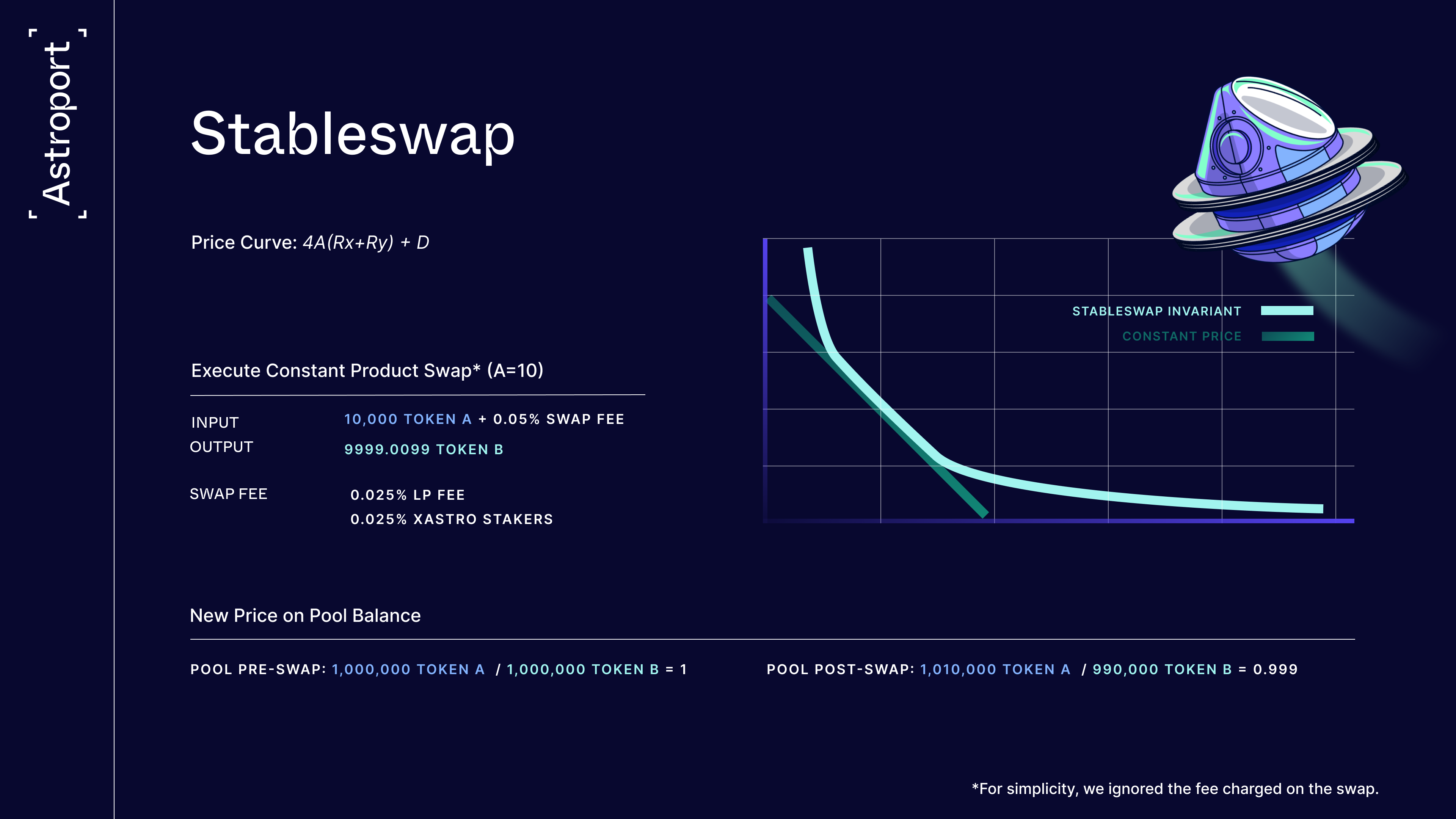
Curve pioneered the StableSwap invariant, blending constant sum and constant product markets. The A parameter controls curve amplification; higher values yield steeper slopes away from peg, concentrating liquidity where USDT-DAI trades cluster. This setup, refined over iterations, supports massive volumes with slippage under 0.01% for trades up to $10 million.
For USDT-DAI specifically, pools like crvUSD/USDT leverage this to sustain deep liquidity. Documentation from protocols like Factor emphasizes how this modifies the price curve for super-stable pairs, trading at 1: 1 ratios. Providers benefit from gauge weights directing CRV emissions, compounding returns beyond raw fees.
Yet, conviction tempers enthusiasm: during the March 2023 USDC depeg, correlated ripples hit DAI pools, inflating IL temporarily. Curve's design mitigated this versus broader AMMs, with losses contained below 2% for vigilant providers who adjusted ranges.
Capital Efficiency Gains in Practice
Quantitative analysis of Curve's 3pool, encompassing DAI, USDC, and USDT, reveals annualized yields of 5-15% for LPs, dwarfing alternatives post-fees. Narrow concentration in USDT-DAI sub-pools elevates this; a $1 million position in a $0.999-$1.001 range captures 10x the fees of uniform distribution.
Strategies from Ethereum resources advocate such ranges for stable pairs, maximizing efficiency. Real-time analytics confirm: under steady pegs, IL approaches irrelevance, with dollar value holding firm. Providers hedging via narrow bins navigate macro events adeptly, correlating events like Fed announcements with minor peg wobbles that barely dent returns.


No comments yet. Be the first to share your thoughts!